Happy 90th Anniversary DC Comics


January 11 marks the 90th anniversary of what became DC Comics. In the fall of 1934 Major Malcolm Wheeler-Nicholson established National Allied Publications, Inc, with the intention of publishing comics magazines with original material rather than reprints from newspapers.

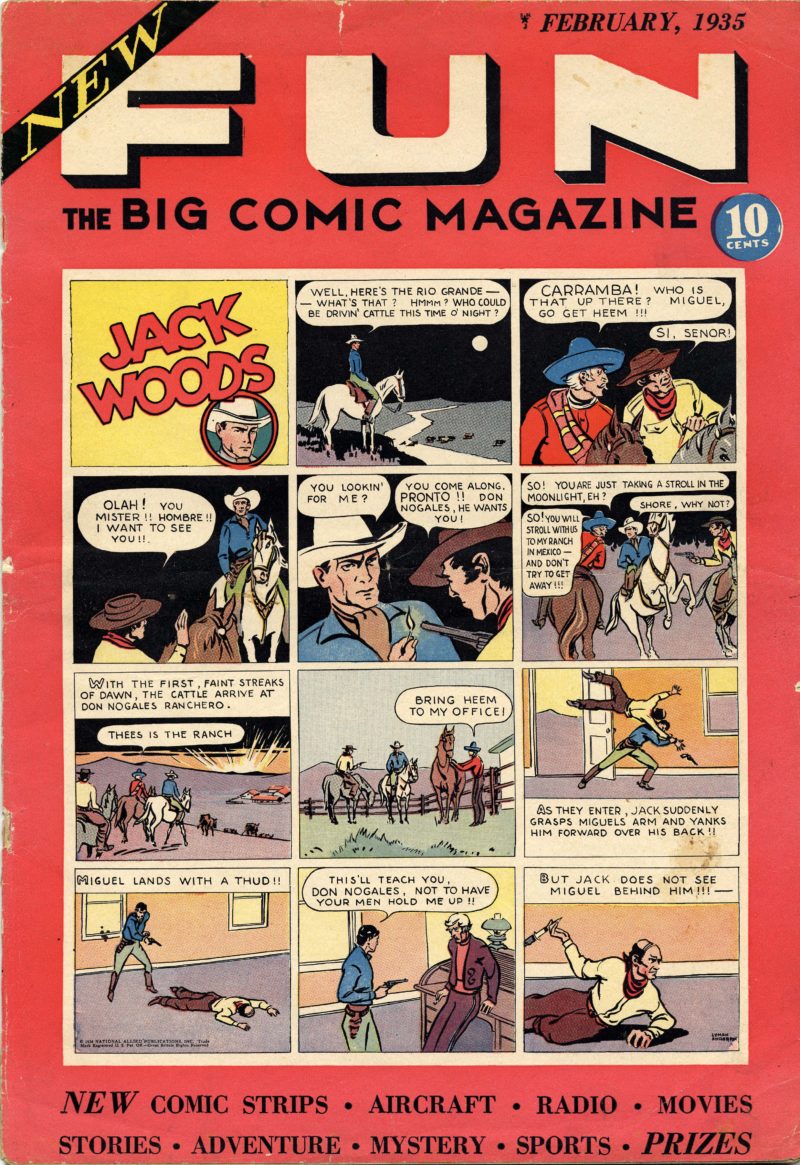
Tabloid sized “New Fun #1” appeared on newsstands January 11, 1935 with a February Cover featuring a comic in color– “Jack Woods” drawn by Lyman Anderson based on several pulp adventure stories by the Major.


Lloyd Jacquet, who would go on to edit and publish comics for Centaur, Fawcett, Marvel and Classics Illustrated, was the editor with Wheeler-Nicholson as publisher.  Richard Loederer, an established illustrator was the art director and an important influence in the distinctive look of the magazines.

Although several comics of original material premiered prior to “New Fun #1” they did not endure. From January 11, 1935 until today DC comics has been continually published. There was no break between the Major’s period–1935 through March 1938–to the Donenfeld and Liebowitz publishing corporation that took over the Major’s magazines. Many of the regular series with the same characters continued with some of the original writers and artists.


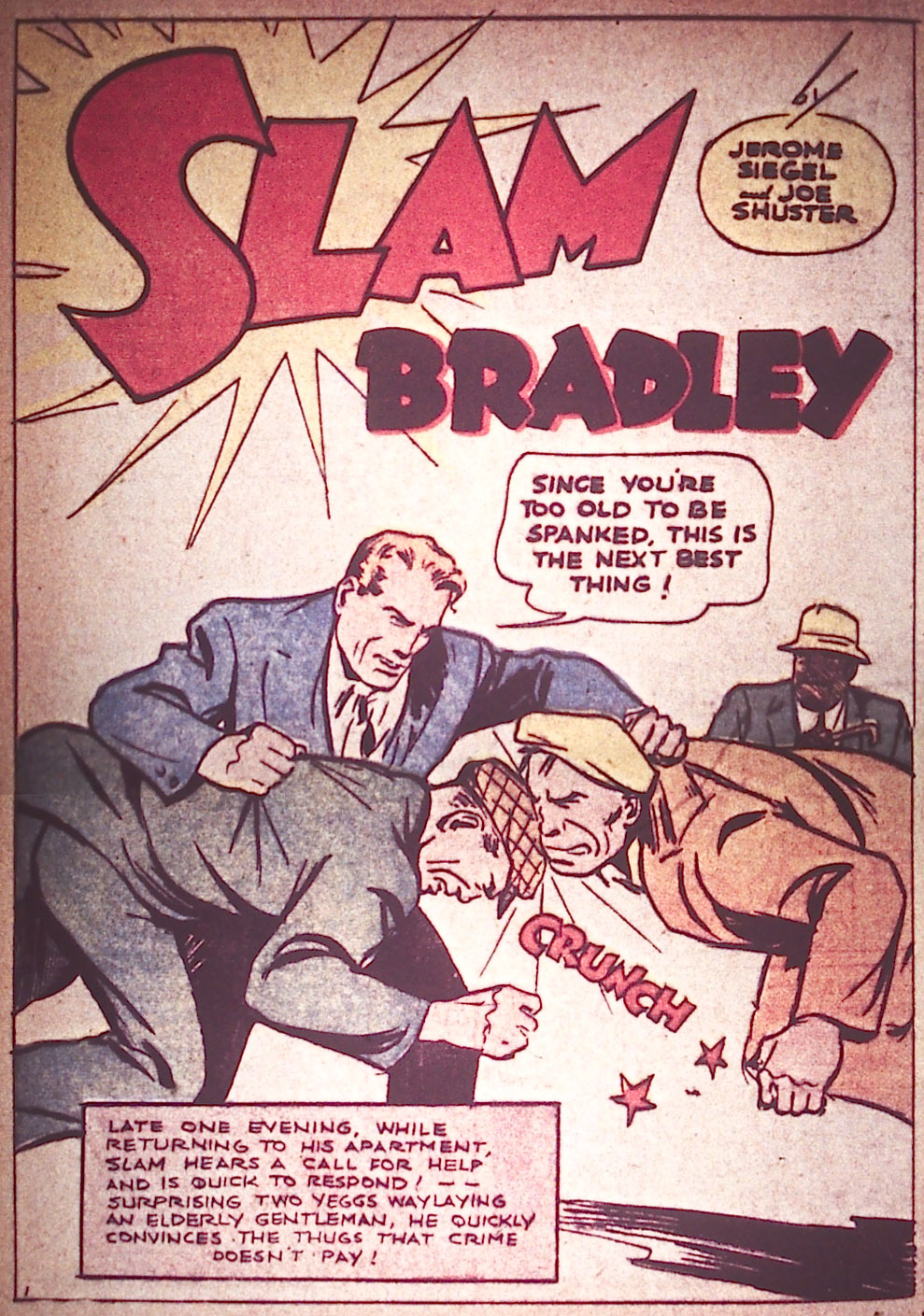
Slam Bradley, created by MWN and co-created by Siegel and Shuster. Detective #6

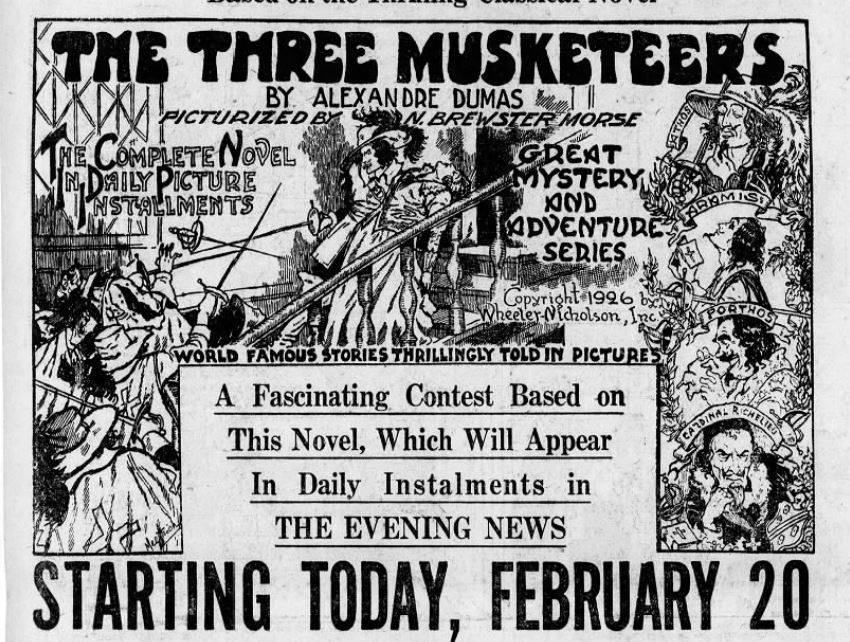
“New Fun #1” was influenced by the Major’s earlier foray into newspaper syndication in 1925-1926 which featured articles, fiction and comics geared to a general audience. The Great Mystery and Adventure Series that appeared in this syndication offered readers classical literature in graphic form.

According to Lloyd Jacquet, Wheeler-Nicholson was aware of the British “Comic Cuts” magazine appearing on American newsstands at the time. However, he “knew that the American presentation of such material would have to be different, and merely importing, or translating European-produced features for republication here was not the answer.”

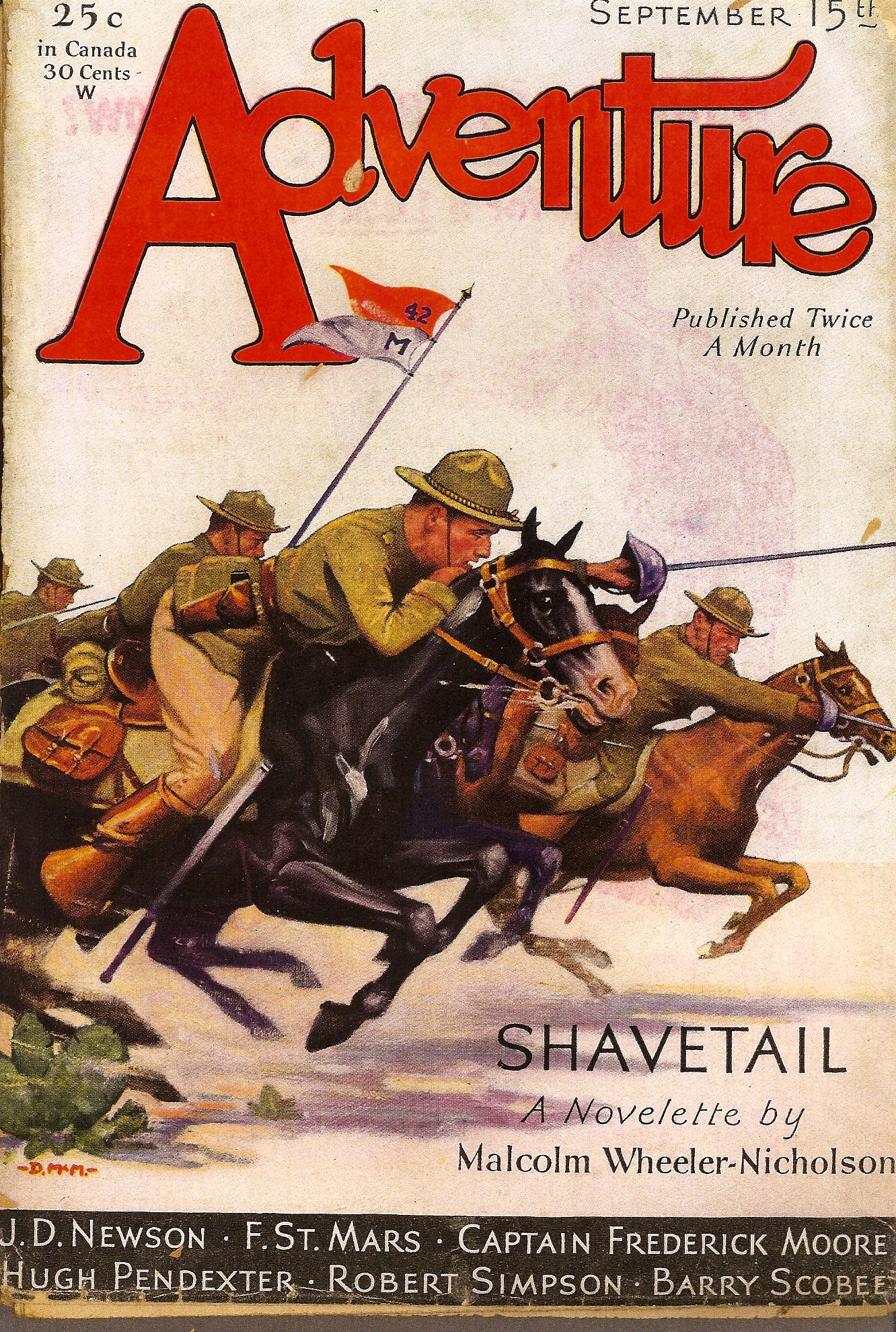
The Major as a writer of pulp adventure stories encouraged the writers and artists to use these pulps for inspiration. Many of his pulp stories were adapted to comics. The very names of the magazines that followed—“Adventure” and “Detective Comics” were influenced by the pulps. All of these influences and early creative endeavors culminated in the Major’s comics magazines beginning with New Fun #1.

It was risky to establish a completely new medium in the midst of the Great Depression. One advantage was the ability to attract a number of well-known and highly skilled artists and writers who needed work. Artists and writers, many of whom were also illustrators and writers of pulps, such as Lawrence Lariar, Ken Fitch, Clem Gretter, and Joe Archibald among others added to the creative energy of the new comic magazines.

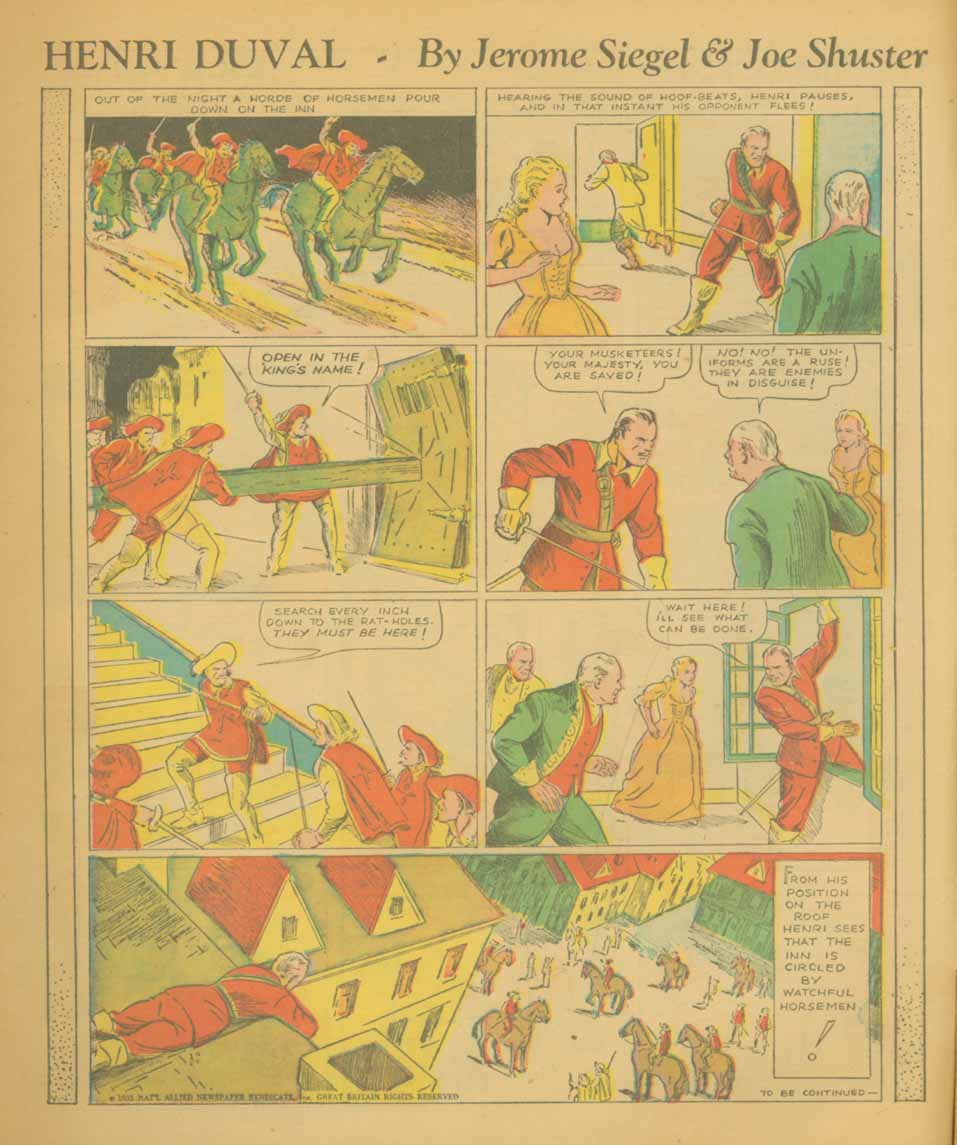
It was also an opportunity for younger artists to establish their careers. Whitney Ellsworth and Vin Sullivan appeared in New Fun #2 and #3 respectively and in April 1935 Jerry Siegel submitted material including “Henri Duval” and “Dr. Occult” to the Major who published them in “New Fun #6.” Siegel would later state, “…because Nicholson had not tossed away the wrapping paper sketches, Joe and I broke into print.”


“Henri Duval” More Fun #8, Siegel and Shuster

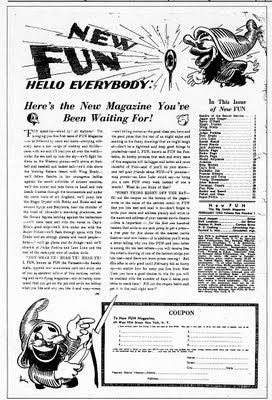
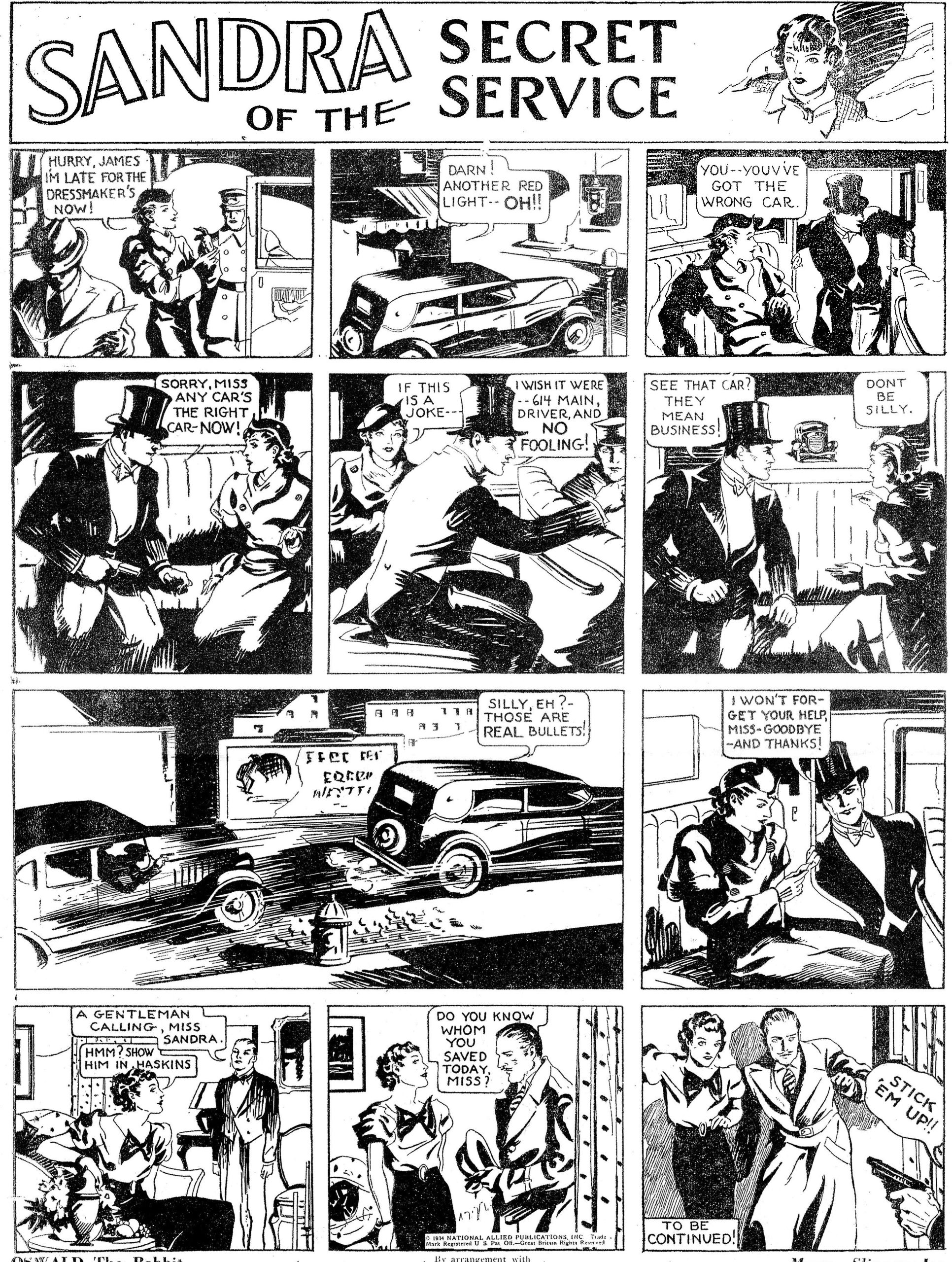
“New Fun #1” contained articles and fiction as well as comics. “Sandra of the Secret Service,” drawn by Charles Flanders. DC Comics first heroine, appeared on the first page indicating the Major’s interest in promoting this comic.

Flanders has sometimes been noted as the creator but he was not a writer and created only one character in his long career, “Robin Hood,” for King Features. It appears that “the Major” created the character and wrote most of the scripts for “Sandra of the Secret Service.”

The Major’s hand can be seen throughout these magazines through his editorial and promotional concepts, his pulps adapted into comics and his love of graphically presenting classical novels.

Over a period of approximately 4 years during the difficulties of the Great Depression the Major established “New Fun”, “More Fun”, “New Comics”, “New Adventure Comics” and “Detective Comics.”

The magazines evolved quickly into the format that we recognize today and contained comics—art and scripts by some of the best artists and writers of the so-called Golden Age. As Lloyd Jacquet in a 1956 article remarked, “these most modest beginnings sparked off what can rightly be called the ‘comic book era.’”

Happy 90th Anniversary to DC Comics thanks to the vision of Major Malcolm Wheeler-Nicholson


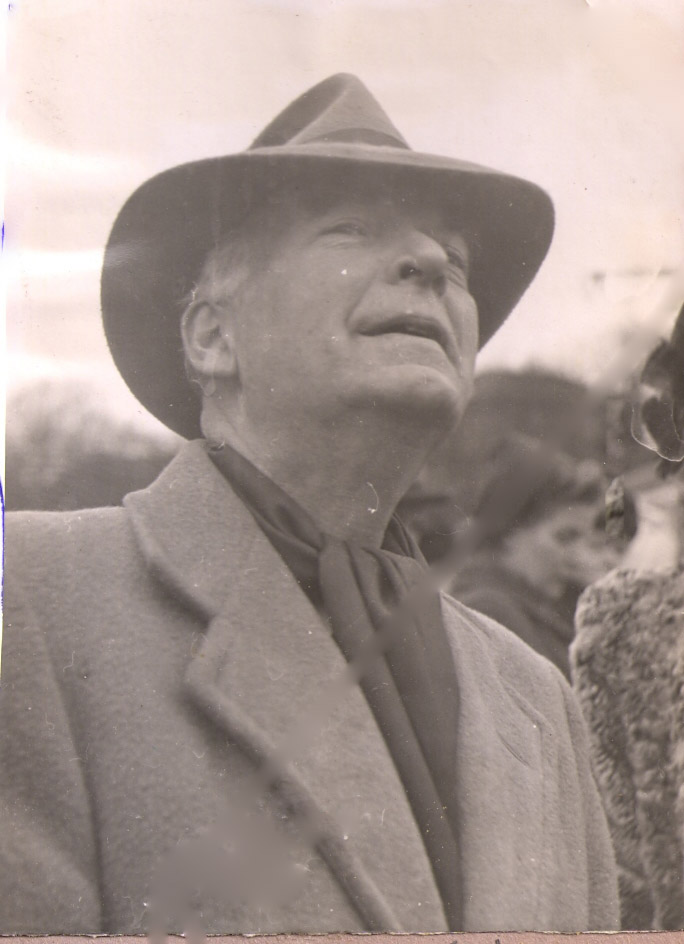
The Major c. 1948 in Sweden. © Finn Andreen.