The Major's Military Career
DC Comics history and comics history in general has been partially based on anecdotal oral tales told forty years or so later and has become the comic book canon. In speaking about the Major, the stories told of him were by people who had only known him for a very short period of time. They’re an important part of the history but corroborating research is needed before citing them as historical accounts.
These anecdotes often differ from one teller to another. The stories of how Superman was supposedly found in a slush pile are a good example. Tracing some of these tales back to the person who appears to be the original teller can offer insights about the motives and intentions of the teller.

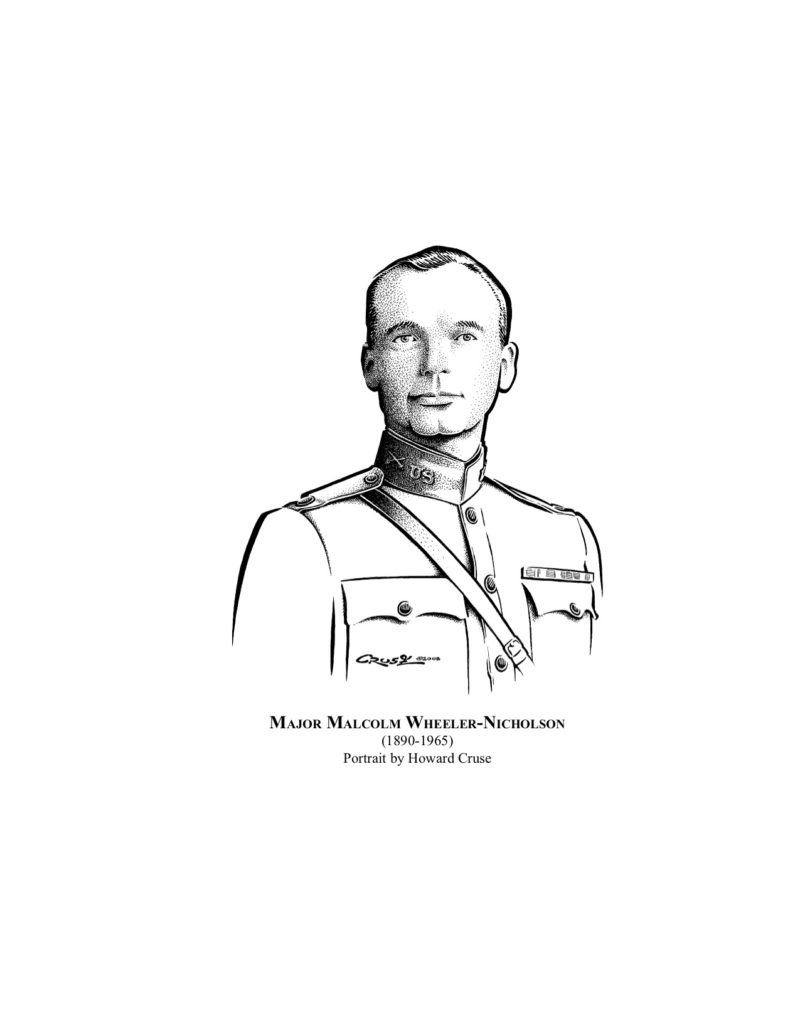
Major Malcolm Wheeler-Nicholson’s military career was the basis for many of his pulp adventure stories that led to some of the original comics in DC Comics early comics, New Fun, More Fun, Adventure and Detective Comics.
As John Locke noted in the introduction to The Texas-Siberia Trail, the recent reprint of some of the Major’s adventure tales, Wheeler-Nicholson was unique in that his pulp adventure stories were based on actual adventures unlike some of the writers of the time.
The stories in The Texas-Siberia Trail published by Off-Trail Publications are organized by the biographical military adventures of “the Major” rather than the dates published. The reader then gets a sense of the flow of MWN’s real life adventures.

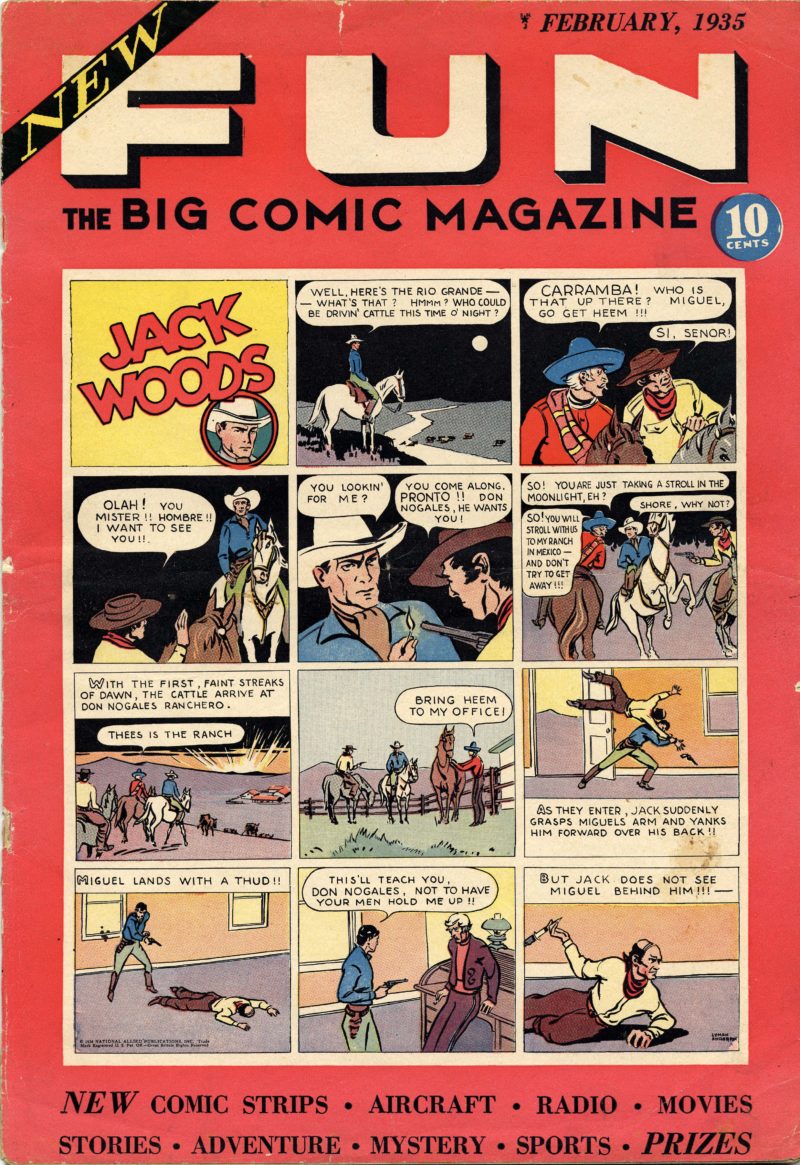
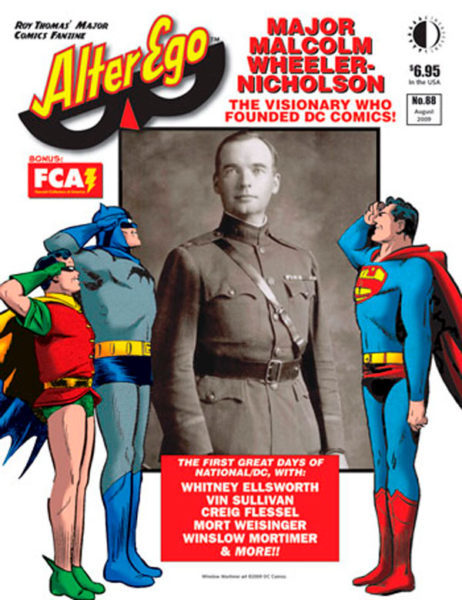
MWN was 45 years old when he first set up shop in the Hathaway Building in New York City in the fall of 1934 to begin publishing New Fun with all original comics. In addition to the older professional artists looking for work in the Great Depression, he also had a number of energetic and talented young people working for him.
The Major’s stories must have seemed unbelievable. That is how people like Vincent Sullivan related them to later comics historians with a roll of the eyes and shrug of the shoulder. MWN was also court-martialed in a dramatic manner with headlines in the New York Times which added to the question of his veracity.
In addition, the world he came from, his early life in Oregon and Washington at the turn of the century was far removed from New York city during the Depression and far removed from the experiences of many of the younger writers and artists who worked for him.

What do we know factually about Major Malcolm Wheeler-Nicholson’s military history? I’ve spent a good bit of time researching military records in the National Archives. Among the treasures found was MWN’s test for entry into the US Army. His test score—an impressive 99 out of 100.
From photos, family stories and reading the Major’s many pulp adventure stories and juxtaposing these against archival military records it’s possible to get a fairly accurate timeline of where he was, when and what he was doing.

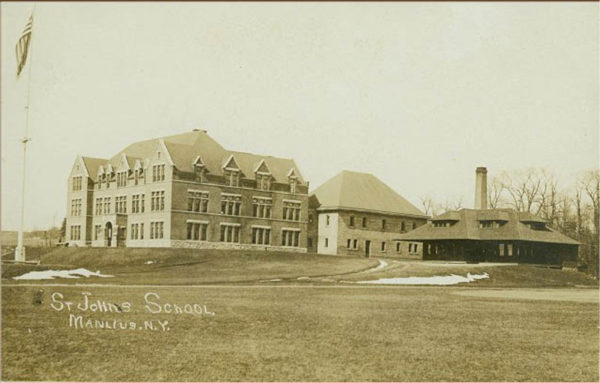
The facts from the archives are clear. “Nick” as he was called by his fellows graduated from St. John’s Manlius Military Academy in June 1910. At that time Manlius was one of the four feeder schools into the US Army. He did well on his tests to enter the US Army, specifically the 2nd Cavalry as a second lieutenant in 1911.
His original request for his first posting was for the 9th Cavalry African-American Buffalo Soldiers. Promotion in the army during this period was by seniority and not merit. More than likely MWN asked for this posting as a means of rising quickly in the same manner as General “Black Jack” Pershing who initially commanded the Buffalo Soldiers.
“Black Jack” was a more acceptable epithet for other derogatory terms. For the white officers in charge of troops of Buffalo Soldiers, it was considered to be a lesser command and MWN’s request was denied. His first assignments were to Fort Bliss outside of El Paso, Texas.

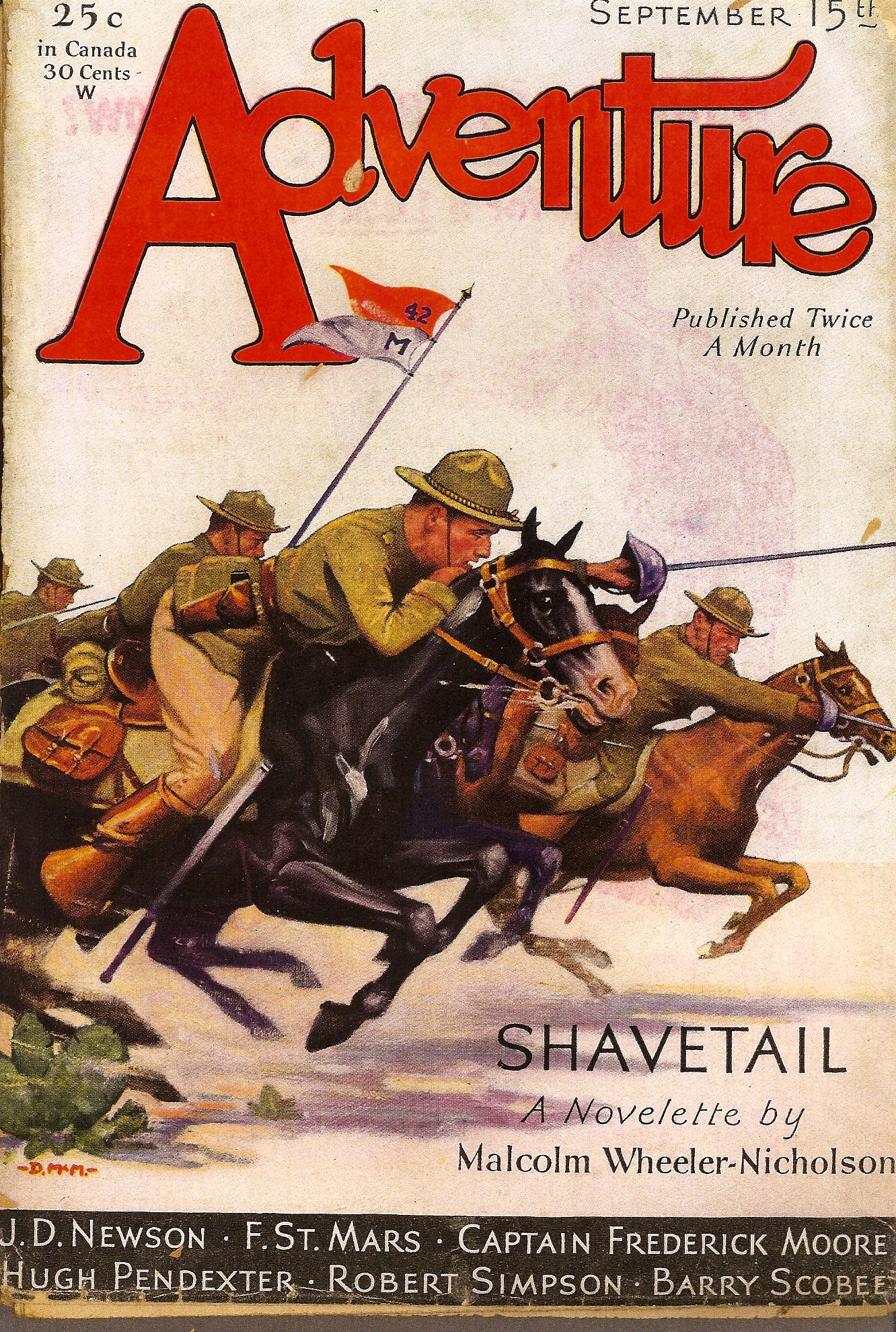
During the early days of the Mexican Revolution, the young lieutenant spent several years on the Mexican border in skirmishes with bandits and allegedly, Pancho Villa. This period made a deep impression upon him and it figured prominently in many of his stories such as “Shavetail” (a term for a new 2nd Lieutenant) and The Corral of Death, one of the hardback novels that was originally published in Adventure Magazine.
One of my favorite stories of this period is “The Sable Phalanx” from Adventure Magazine, nominated for an O’Henry Short Story Award in 1932. Two African-American soldiers are the Rosenkrantz and Gildenstern of the story and it is through their telling, that the action is revealed.
Wheeler-Nicholson was also stationed for a time at Fort Ethan Allan, Vermont and Plattsburg Camp where he was an instructor in the newly formed Camp of Instruction for organized militia. This was a group of mostly businessmen who were being trained in case of war.
Adventure Magazine, September 1930, Cover: Duncan McMillan
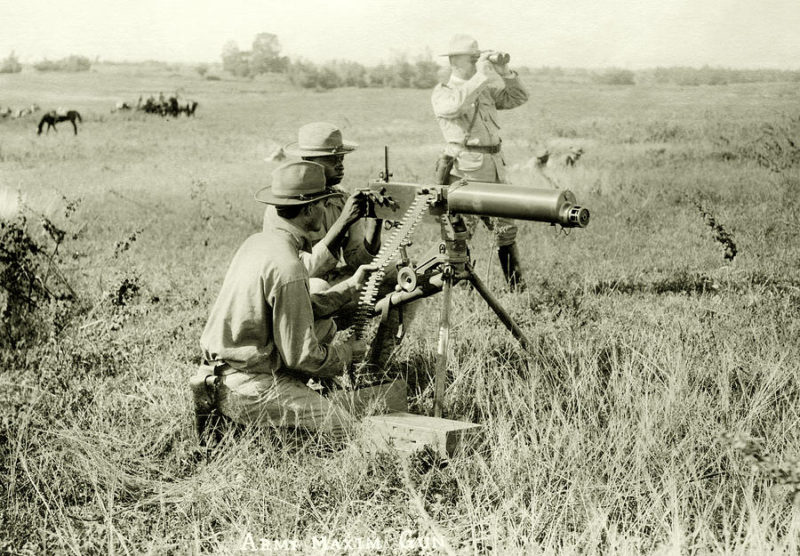
In 1915 he was granted an assignment with the Buffalo Soldiers. He accompanied the 9th Cavalry Machine Gun Troop to the Philippines in the aftermath of the Philippine War with the Muslim Moros.
There are a number of stories in the pulps from this period such as “The Captain was Crazy” and “Dark Regiment” that reveal a nasty side to this operation and a possible mutiny among his men that may have been averted at the last moment.
It was also during this time that MWN was promoted to Captain and then Major and won awards for his troops’ machine gun readiness–the ability for these men on horseback to dismount and prepare the heavy machine guns and have them in place in a short time period.
Buffalo Soldiers with machine gun, Philippines ca 1900

In 1917 the Major appears to be in military intelligence according to Army records and in China and Japan according to passport records and ship’s manifests. He was then sent to Siberia with the American Expeditionary Force, Third Battalion, 27th Infantry. The AEF is a little-known aspect of the US involvement during World War I in Russia at the time of the Bolshevik Revolution.
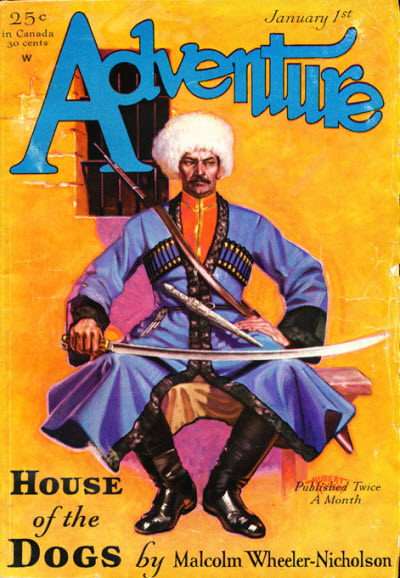
It was even more exotic and adventurous than his service in the Philippines. The Major saw firsthand the cruelty of the Cossacks and wrote frequently about this period of his life in his pulp adventure stories such as “House of the Dogs” and “The Song of Death.” These stories are rich in detail of the time and place and gave the Major an understanding of the forces that would come into play later in World War II.
Adventure Magazine, January 1929, Cover: Hubert Rogers

After this heady adventure by 1919 he was back at Fort Bliss and chafing at the bit to go to Europe. In September of 1919 he was issued a passport for diplomatic service and went to France, was attached to the American Embassy in London and to the American Cavalry on the Rhine.
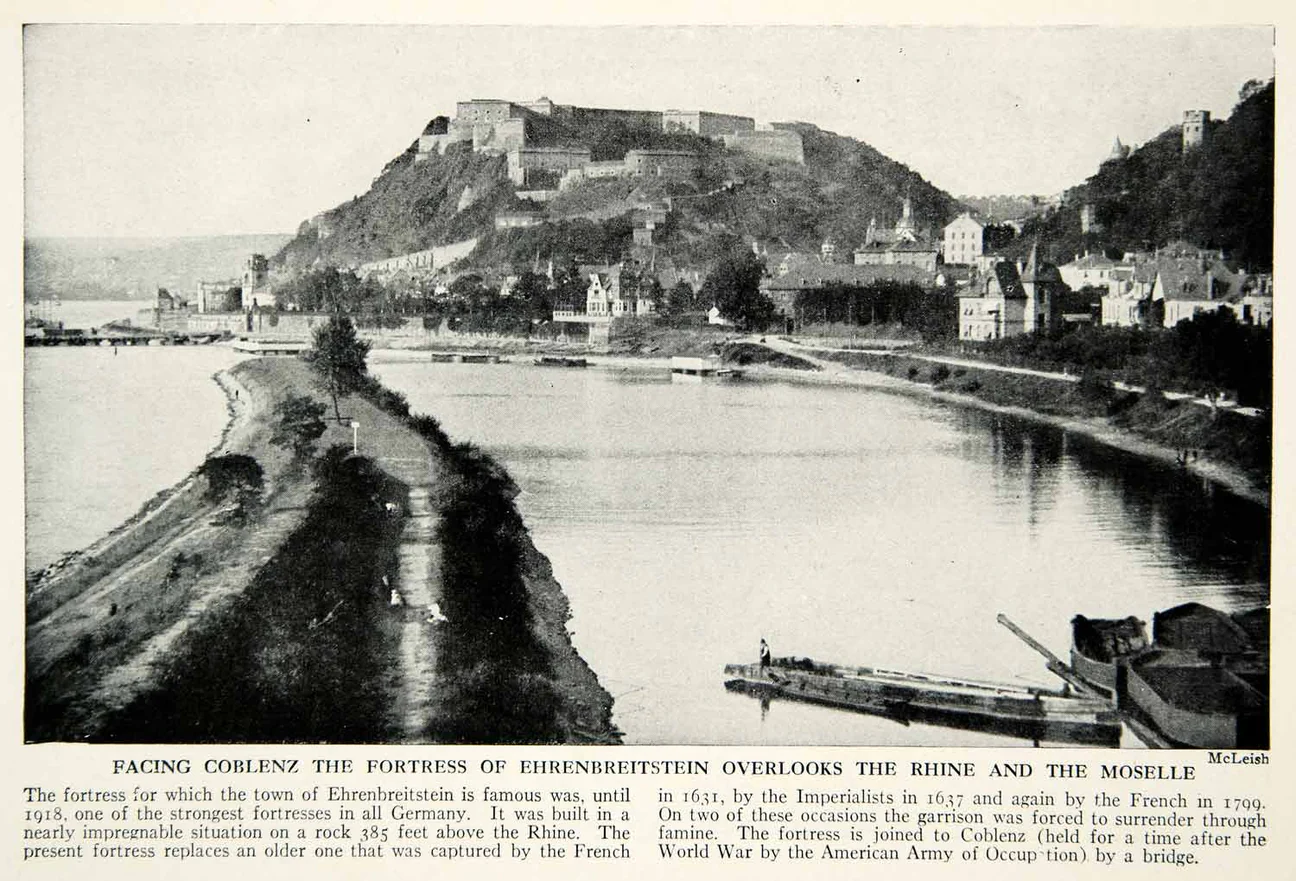
He met his wife Elsa while in Paris and they were married by Major General Henry T. Allen at the Kaiser’s Chapel under the crossed swords of his fellow officers. His story in the pulps entitled “The Shadow of Ehrenbreitstein” from this period of MWN’s life hints at an attempted military coup by the Germans immediately after World War I. There is evidence in Army records that there may be some basis of fact in the story.
Fortress of Ehrenbreitstein, Koblenz, Germany

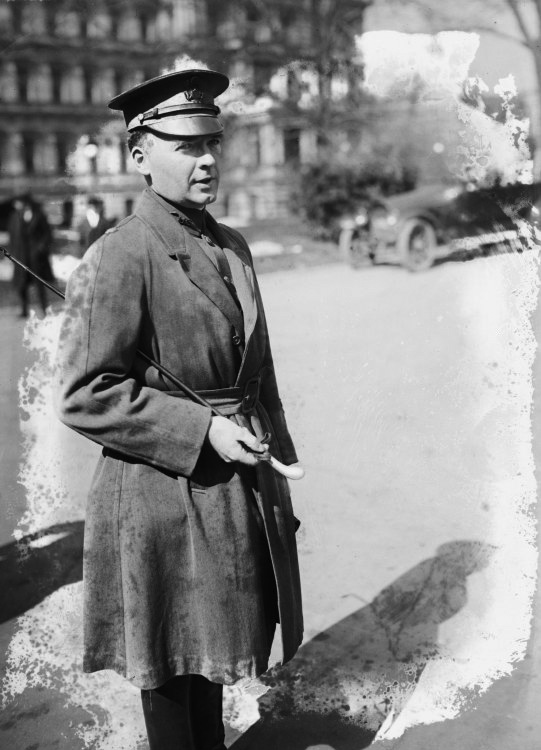
By December of 1920 MWN’s troubles with his superior officers began to surface and he came back to the United States to Fort Dix in New Jersey. The subsequent attempt on his life and the sensational headlines in the New York Times in early 1922 when the Major wrote an open letter to President Harding culminated in a court martial.
He was absolved of all counts with the exception of the letter to Harding and put back in the files meaning 40 Majors would be advanced before he would be considered.
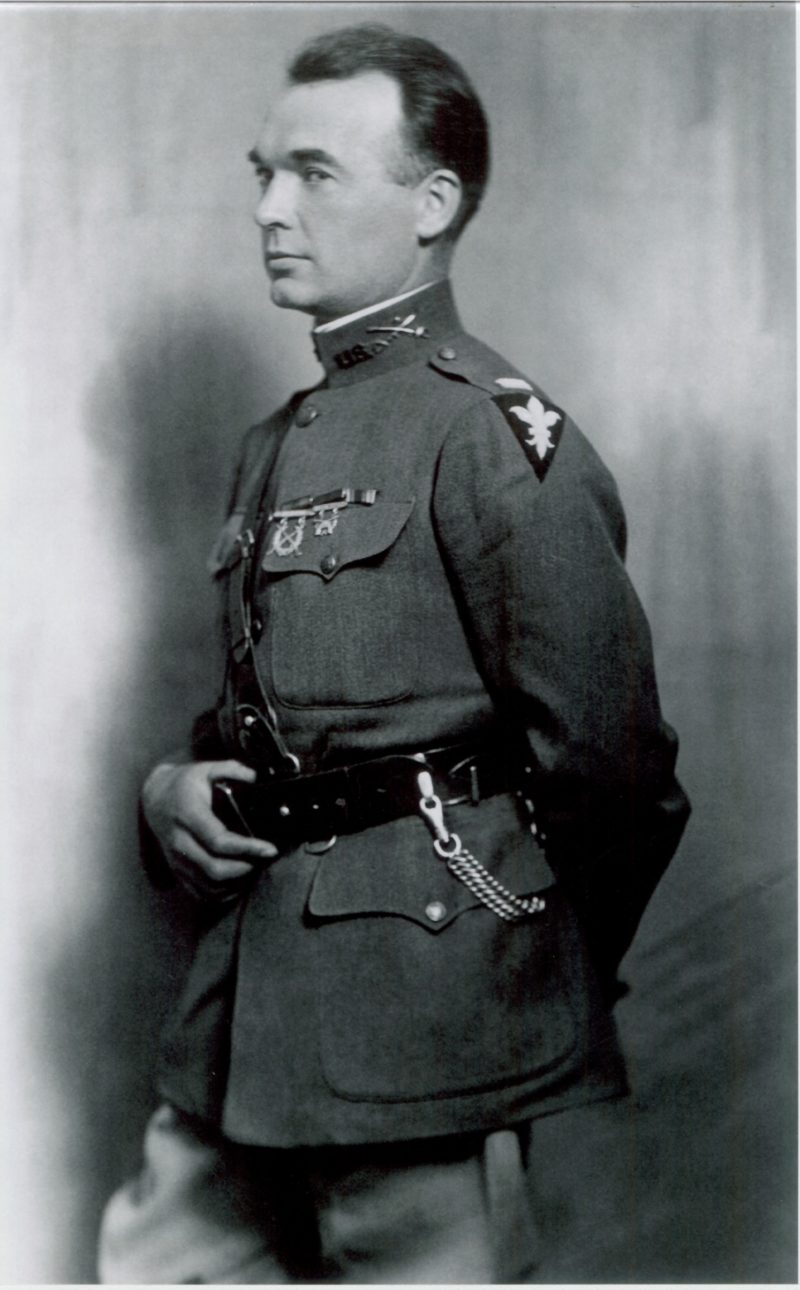
MWN ca 1922, respective holders

After leaving the Army the Major embarked on his writing career for the pulps, started a newspaper syndicate, developed early comics and after the loss of DC went on to write numerous articles and books during World War II about military strategy including Battle Shield of the Republic. His assessments were highly regarded and he penned numerous articles during World War II in Look and Harper’s Magazine to name a few.
It is obvious from his precise descriptions of military life in his stories and his concerns later in life about how the military operated during wartime that the Major truly loved this life and had studied it well. His military bearing throughout earned him the sobriquet–“the Major” and some of his children referred to him as “the old man,” a military term denoting the person in charge.
Major Malcolm Wheeler-Nicholson served his country well and I honor our grandfather for his military career.
MWN, family archival photo