Every Hero comes out of Darkness into the Light


Today is the 127th anniversary of Major Malcolm Wheeler-Nicholson’s birth. He was born in Greenville, Tennessee January 7th 1890. The year ahead is going to be productive for the Major. Besides working on his biography I’m pleased to announce that Dan Herman of Hermes Press is publishing an art book of some of the Major’s adventure stories that became the first comics.

I’m also looking forward to TwoMorrow’s book on comics in the 1930’s in which Bob Hughes has given a chapter to my grandfather that promises to be stellar.


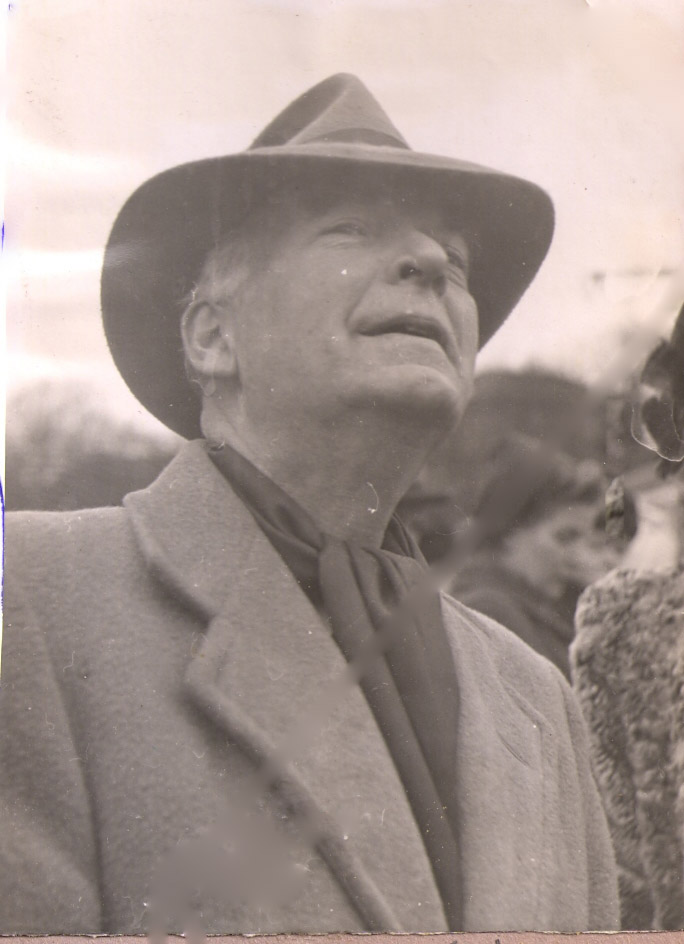
MWN circa 1948 in Sweden. © Finn Andreen


I’m currently researching Major Malcolm Wheeler-Nicholson’s court martial in 1922. Even though I knew the basic facts I had not read the entire court martial transcript.

It’s 400-500 legal pages filled not only with legalese but military jargon. Slogging through line-by-line has been painstaking but rewarding. By going into greater depth in research new facts arise and more light is shed.


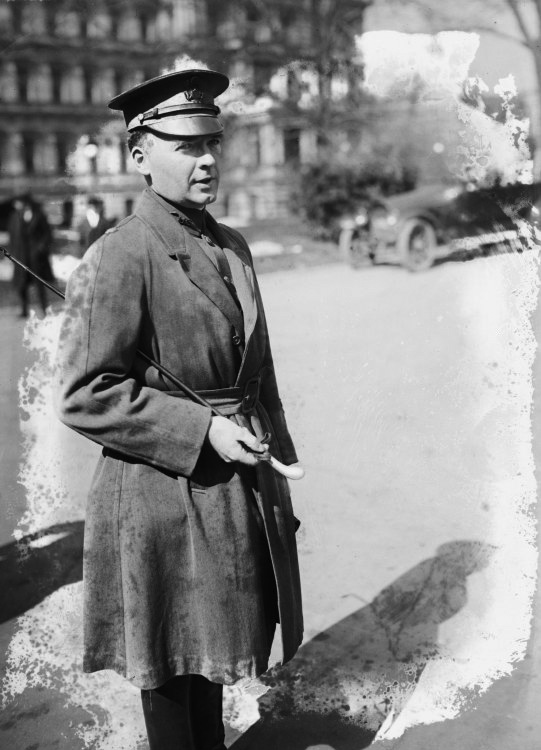
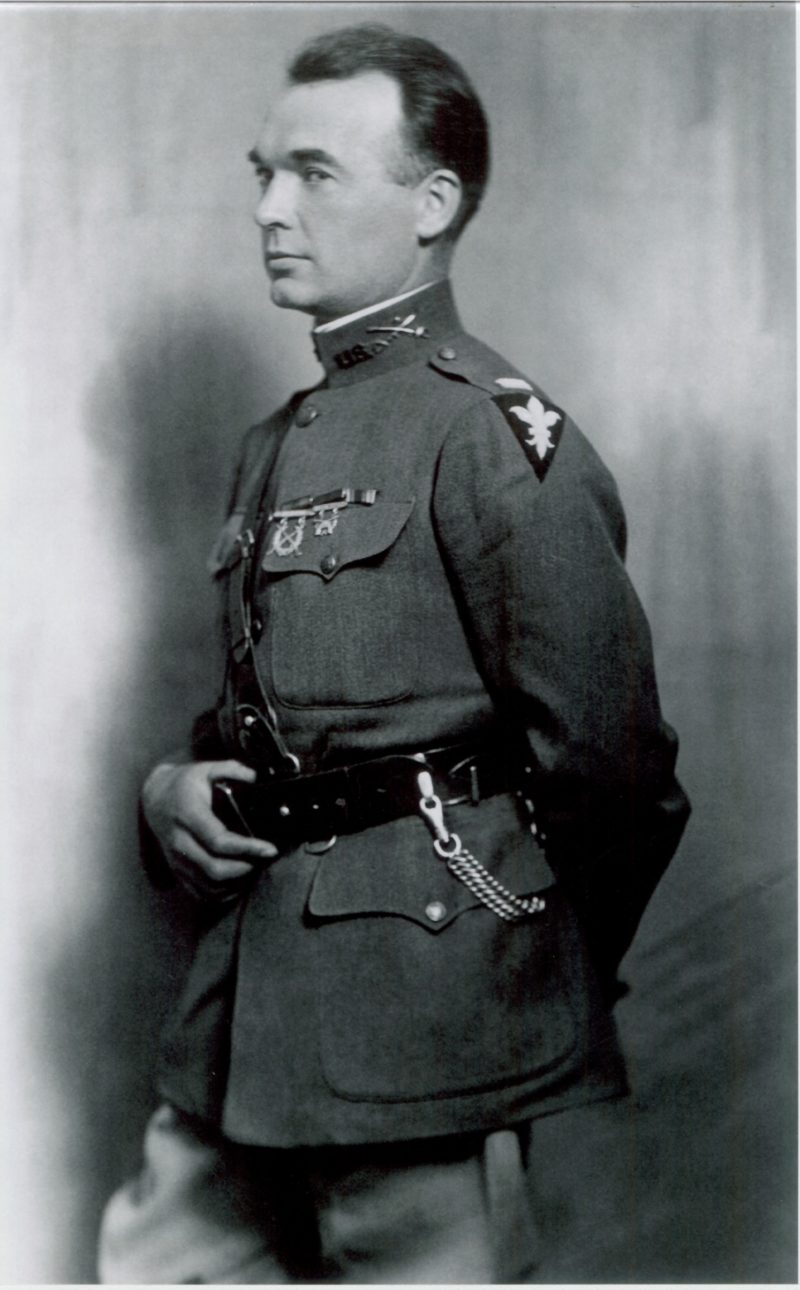
The Major ca 1922. respective holders

I’ve had an epiphany about Nick’s view of courage and heroism as a result. It’s quite clear from the evidence that he was unjustly court martialed. The source of the harassment and subsequent court martial appears to stem from an incident that took place in the Philippines sometime in 1915 when he was commanding a troop of Buffalo Soldiers.

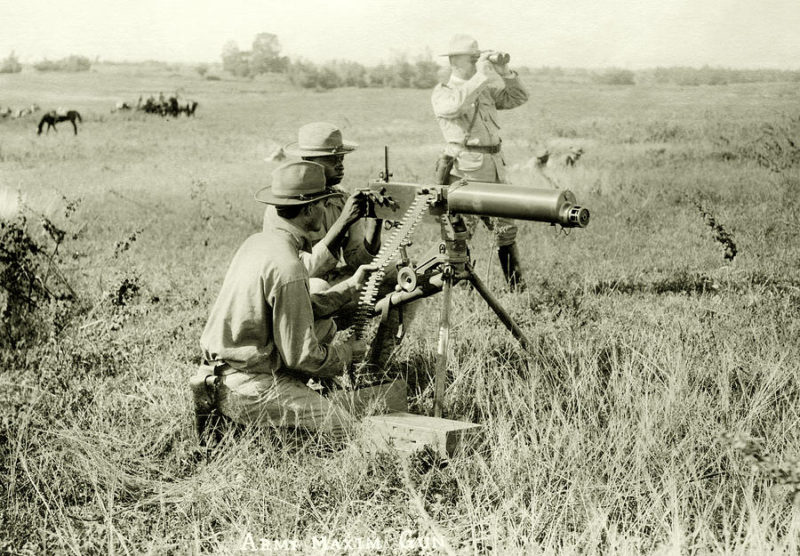
The Major saw the daily prejudice his men endured and could stand it no longer. He challenged his superior officer to a contest of machine gun readiness. Not only did he and his troops win the contest but he was also praised by the high brass. His superior officer was made to look a fool–not a wise thing to happen in the clubby atmosphere of the army at the time.


African-American Buffalo Soldiers Machine Gun Troops in the Philippines. ca. 1909. respective holders.

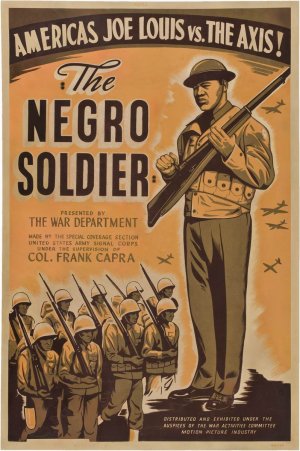
The Major fictionalized these events in several of his adventure stories and wrote a non-fiction article published in PIC, October 26, 1943, “The Negro Soldier” and in Negro Digest, the same date, “Does the Negro Make a Good Soldier?”

In the article he depicts the racism that his troops encountered and the injustices they suffered. The Major also describes his own prejudices and what he learned from commanding his troops. His conclusion was that integration was the only sensible and right thing to do.


Film Poster from “The Negro Soldier” produced by Frank Capra in 1944 under the United States Department of War

Major Malcolm Wheeler-Nicholson was court-martialed on false charges and he was exonerated of all charges with the exception of writing a letter to President Harding that became public as published in The New York Times. He was given a slap on the wrist by being put back 40 files from promotion, meaning 40 others would be promoted before he was.

It seems clear the court realized the injustice however the damage was done. The incident that drove him to publish his letter to Harding was what appeared to be an assassination attempt.

While waiting for the court martial to begin, in November of 1921, the Major was shot in the head under dubious circumstances. The bullet miraculously missed his brain and his spine but the trauma was the final act that drove him to make public his despair of ever receiving a fair and just hearing.

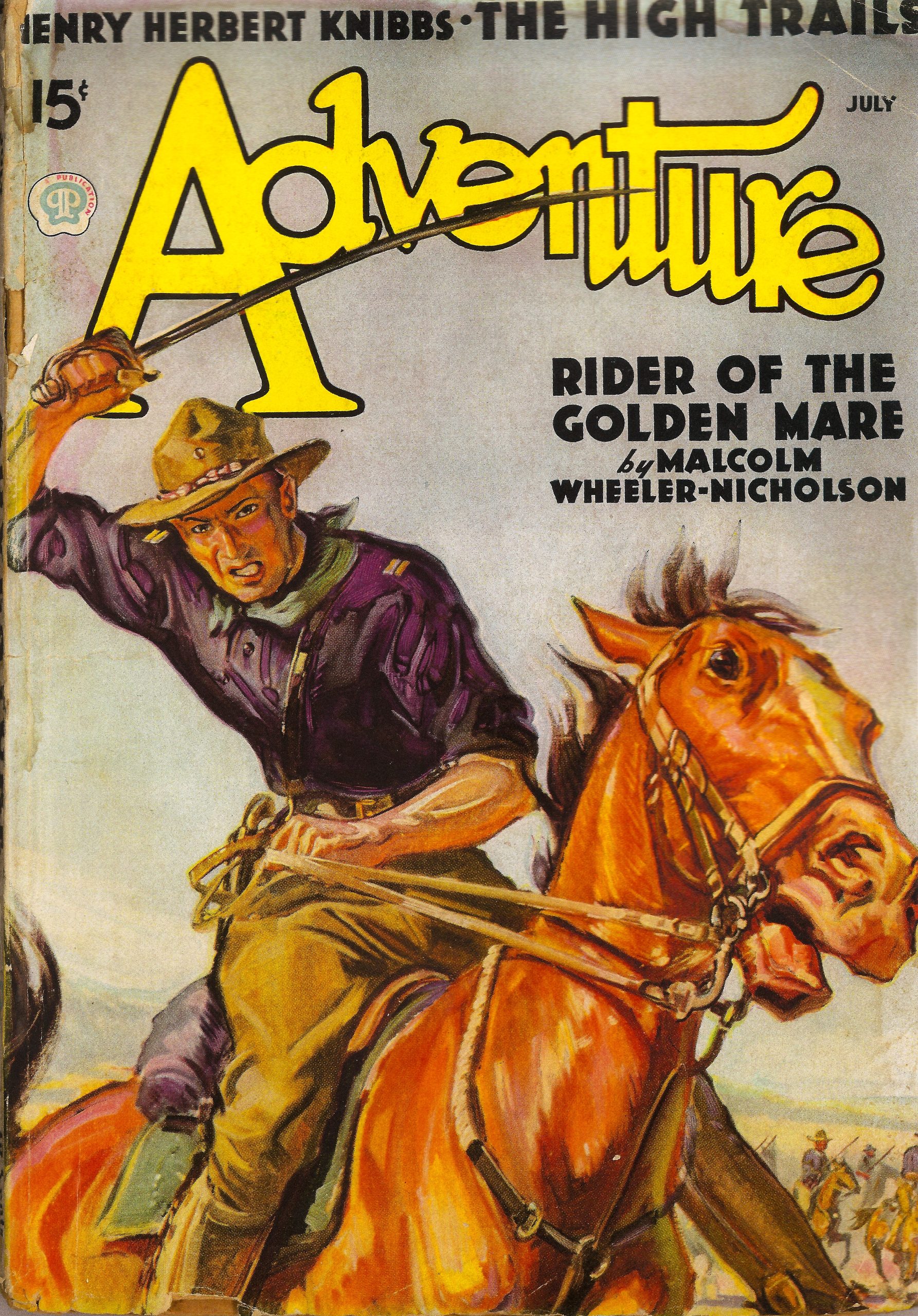
The Major’s adventure stories often divulge biographical incidents that can be corroborated by research into factual material. What’s especially compelling is that his stories reveal the greater themes in his life. Every single adventure story of our grandfather’s that I have read is concerned with the hero and how the hero responds to danger and more importantly to injustice. I believe these themes derive from the injustice he himself encountered.


Adventure, July 1936.

Because the details of the court martial are so little known the only awareness most people have is that the Major was court martialed. It has been repeated in anecdotes and in comics history as an indication of lesser character in some manner whereas the opposite is the truth.

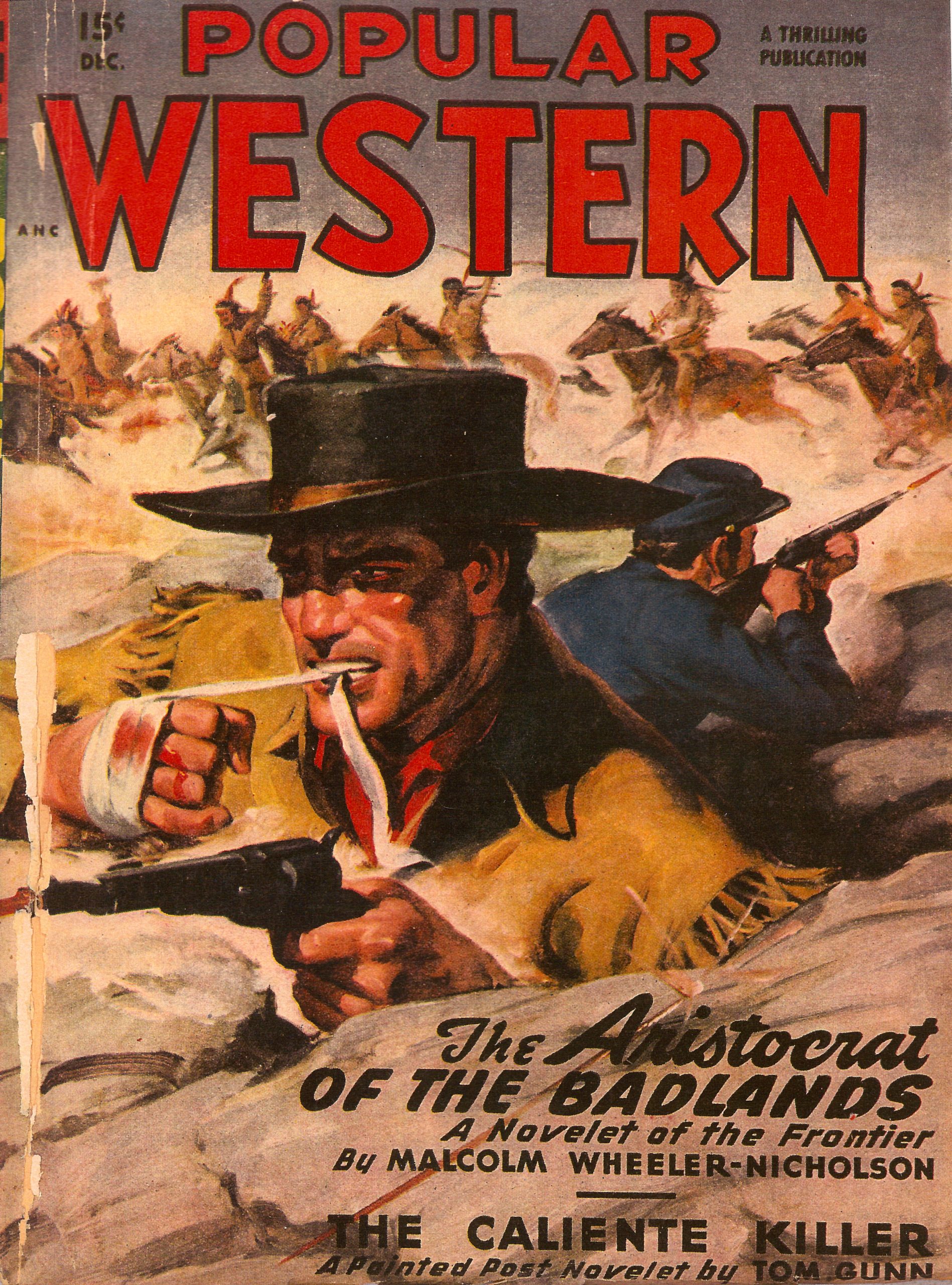
Brigadier General Samuel Ansell stated before Congress in 1919 that court martial charges be carefully weighed before being brought as it cast a stigma over a man’s life. I am convinced that the shadow that hung over my grandfather’s life was the catalyst for his return again and again in his writing and publishing to examine the nature of the hero and the manner in which the hero faces injustice.


Popular Western, December 1948.


It is not surprising that Major Malcolm Wheeler-Nicholson was the publisher (New Fun, More Fun, Adventure and DC) who saw the power in that first crude drawing of Superman and what Superman represented especially to his creators Jerry Siegel and Joe Shuster.

In dark times it is good to remember that the hero may be hidden behind a disguise of either his or her own making or that of others who have cast a shadow.

Superman, Batman and Wonder Woman carry the dark and the light and they as well as other super heroes are an inspiration in dark times for what is good and just and true.

Happy Birthday to our grandfather, a real life hero who faced injustice with the courage of the hero.


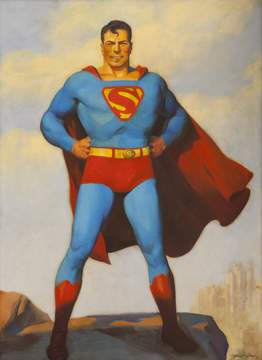
H. J. Ward painting. respective holders.