Let's All Eat Cake
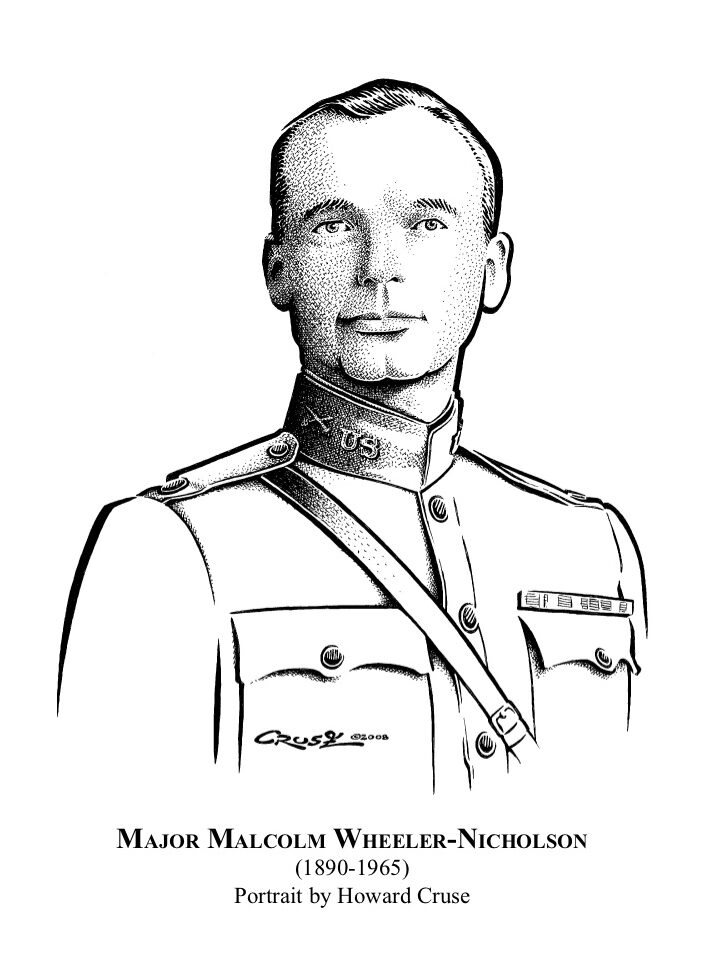
Malcolm Wheeler-Nicholson was born January 7, 1890 marking this year, 2011 as the 121st anniversary of his birth. He often listed his place of birth as Greeneville, Tennessee, the county seat of Greene County in East Tennessee.
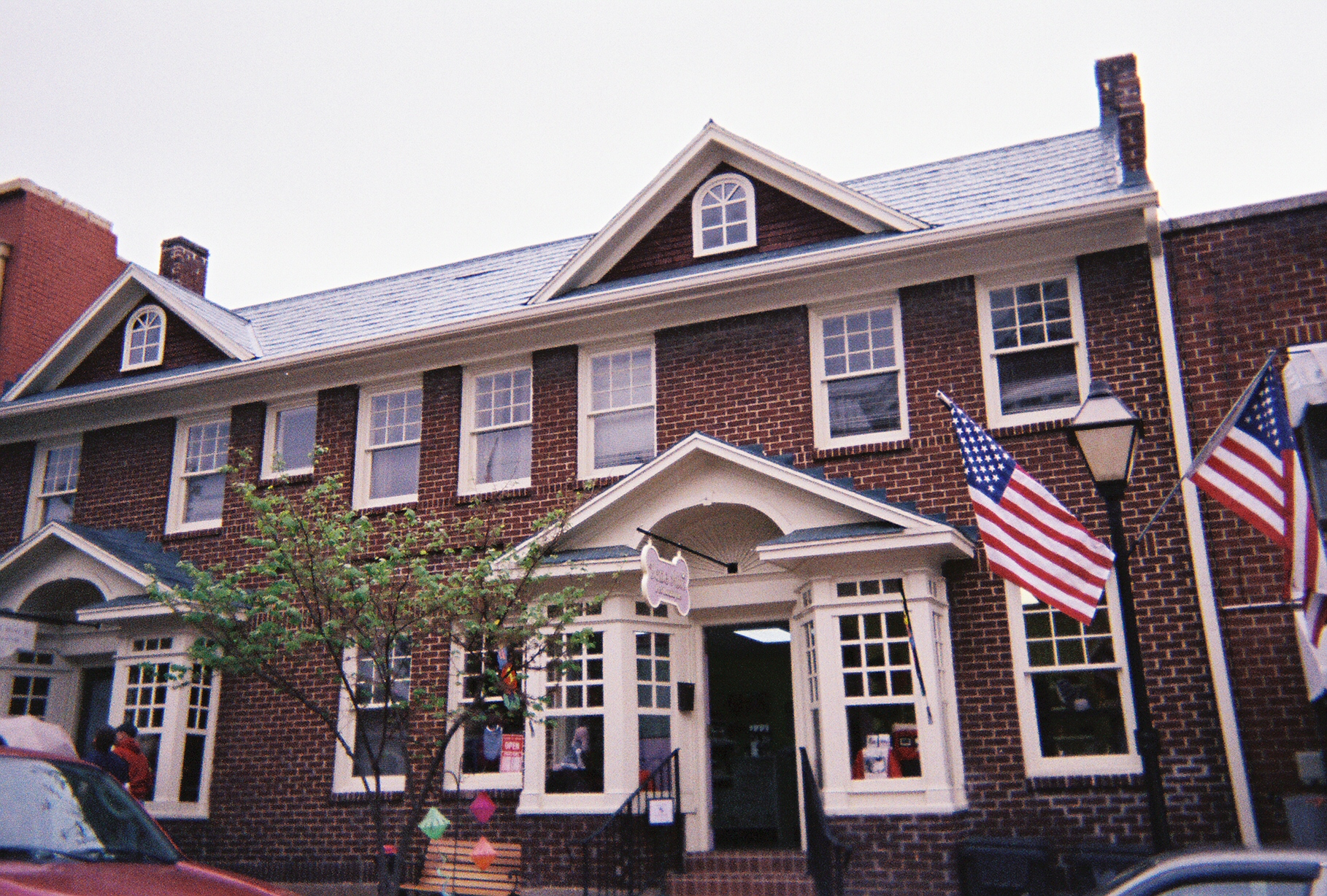
More than likely he was born at home in the Jonesborough/Johnson City area some 30 or so miles north of Greeneville. East Tennessee is a beautiful rugged area in the Appalachian Mountains home to Daniel Boone and Andrew Johnson the 17th President of the United States. MWN’s grandfather, Christopher Wheeler settled there at the end of the Civil War and went into practice as a physician with Matthew Mahoney with whom he also started the Jonesborough Herald and Review, a newspaper still in existence.
Jonesborough Herald and Review 2008 NWN

MWN wrote about the deep impression his grandfather made upon him as a very young child and romanticized his background in several of his earlier adventure stories. Christopher Wheeler was apparently a good horseman, riding horseback through the Tennessee hills to attend to his patients.
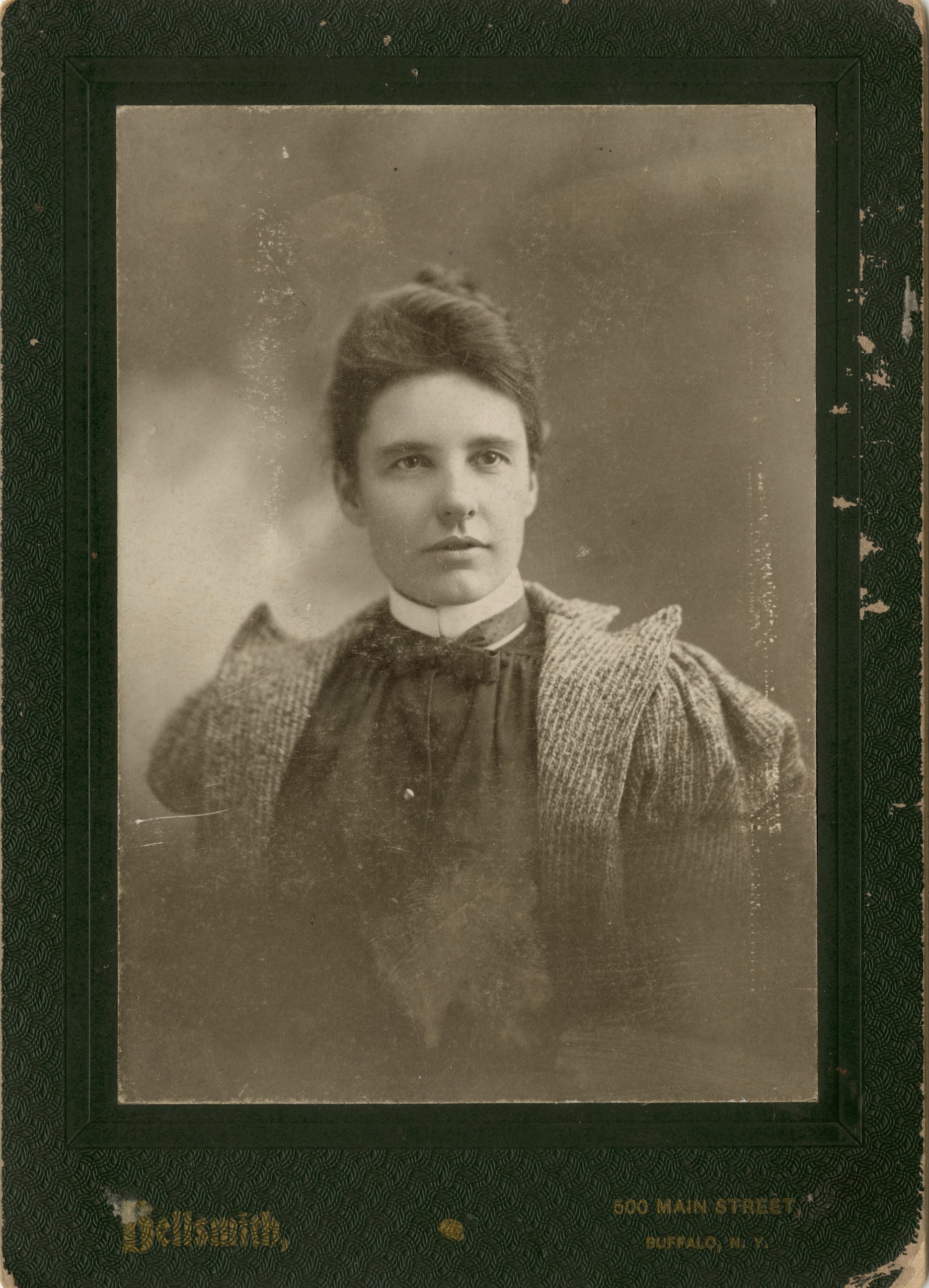
His daughter, Antoinette, MWN’s mother, was also a writer and journalist so it is not surprising that MWN’s first job out of high school would be as a reporter for The Evening Telegram in Portland, Oregon where the family moved at the turn of the last century.
Antoinette Wheeler (Strain) ca. 1895, family photo Antoinette Wheeler Harley, permission required.

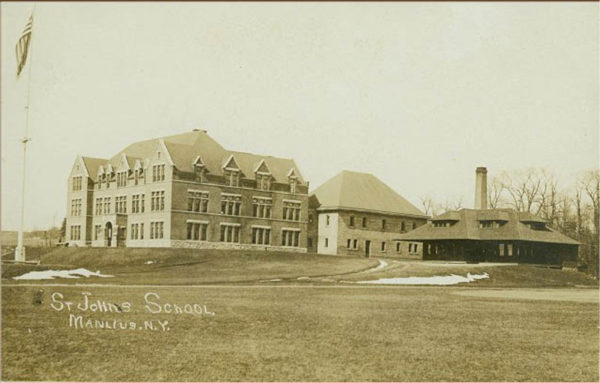
MWN was admitted to Manlius Military Academy in 1909, a prestigious feeder school for the U.S. Army. He graduated with honors in 2 years instead of the usual 4 and began his military career in 1911 as a 2nd Lieutenant in the U.S. Cavalry continuing to follow his heritage in the military cavalry.
That career ended in the last few days of 1922 preceded by a dramatic court martial and an assassination attempt. In between those events MWN served on the US/Mexican border under General Pershing’s command chasing bandits–Pancho Villa, the revolutionary probably among them.
St. John’s Manlius

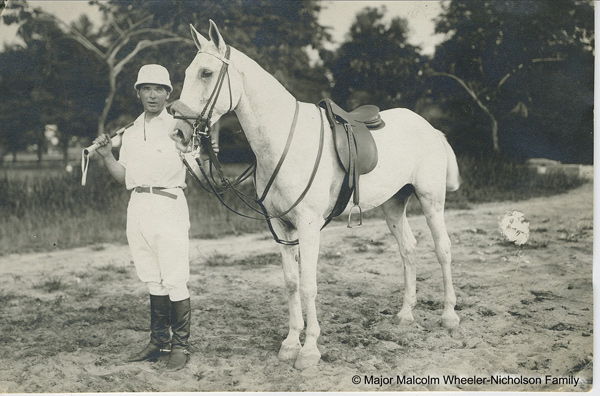
In 1915 he commanded Troop K of the African-American Buffalo Soldiers while serving in the Philippines at Camp Stotsenburg. Realizing the prejudice his troops experienced he challenged his commanding officer to a machine gun readiness contest training his men so well that world records were broken. In leisure time he played polo and excelled at that as well.

His post in 1917 as military attaché to the Japanese Embassy in Khabarovsk in Siberia placed him once again in a unique position to view historic world events. The Major, as he was called in later life, was in the midst of the Bolshevik revolution and saw first-hand the Cossack chiefs who switched allegiance depending on the value to be gained.
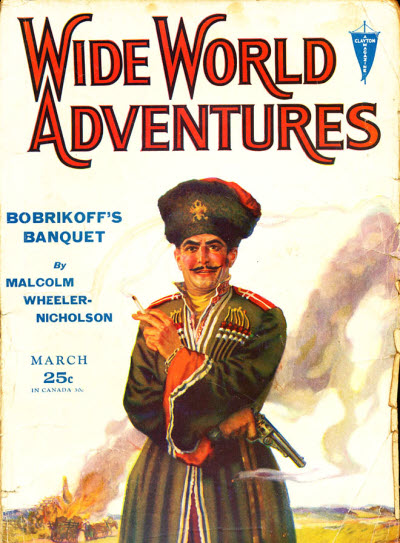
He was witness as well to the strategies and movements of troops of the Chinese, Japanese and Bolshevik revolutionaries and wrote many stories about this extraordinary time in world history some of which are thinly veiled real accounts.
Although he had admiration for the horsemanship of the Cossacks he found their treatment of the peasants abhorrent and almost all his stories contain somewhat graphic depictions of both Cossack and Bolshevik cruelty. When armistice occurred at the end of WWI he was transferred to France and was later attached to the London Embassy and the American Cavalry on the Rhine.
Wide World Adventures, March 1930

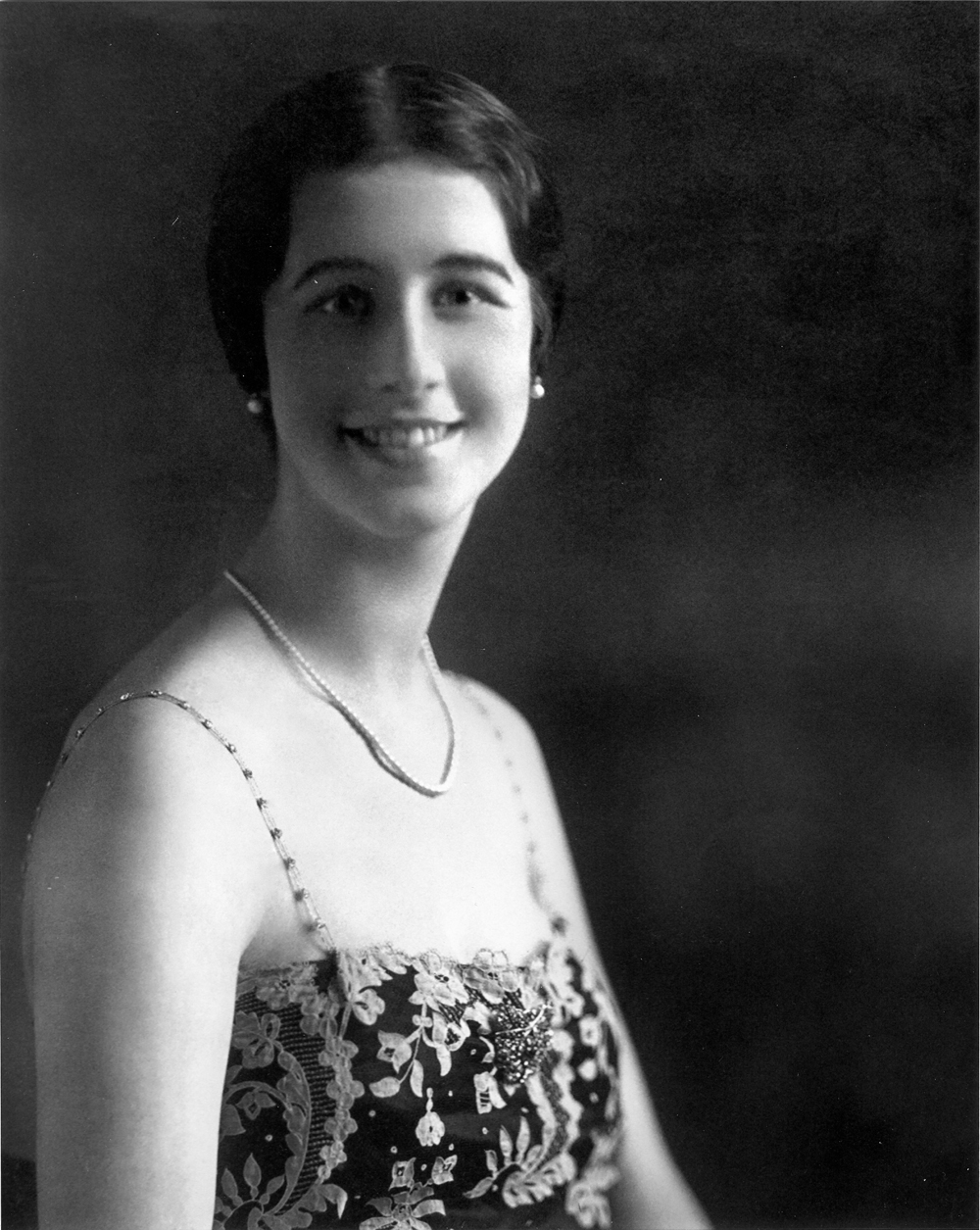
In 1920 while in the Army in Paris he met and married Elsa Karolina Bjoerkbom, a beautiful Swedish woman from a prominent family. He proposed to her at the Eiffel Tower and to keep everything in fairy tale alignment they were married in the Kaiser’s Chapel, Church of the Palace in Coblenz, Germany under the crossed swords of his fellow officers.
Sometime during this period in Europe MWN became increasingly frustrated by Army bureaucracy and by the end of 1921 was in a battle royale with the US Army over what he termed Prussianism in the Army.
Family photo, Marianne Wheeler Friese, permission required for use.

MWN wrote a letter to President Harding in August 1921. The attempted assassination upon his life at Fort Dix in November 1921 indicated he had struck a nerve somewhere in that vast bureaucracy just as his comrade Colonel Billy Mitchell did during the same period.
While he was recovering from the wounds at Walter Reed Hospital a court martial ensued. He was acquitted of all charges with the exception of an open letter to Harding published in the New York Times and was discharged in very late December of 1922.
Newspaper photo, respective copyholders.

His first book, Modern Cavalry, was published in 19221 and he began writing adventure stories for the pulps, most based on his own exploits in the military. The earliest story I’ve found so far is in McClure’s Magazine, August 1924.
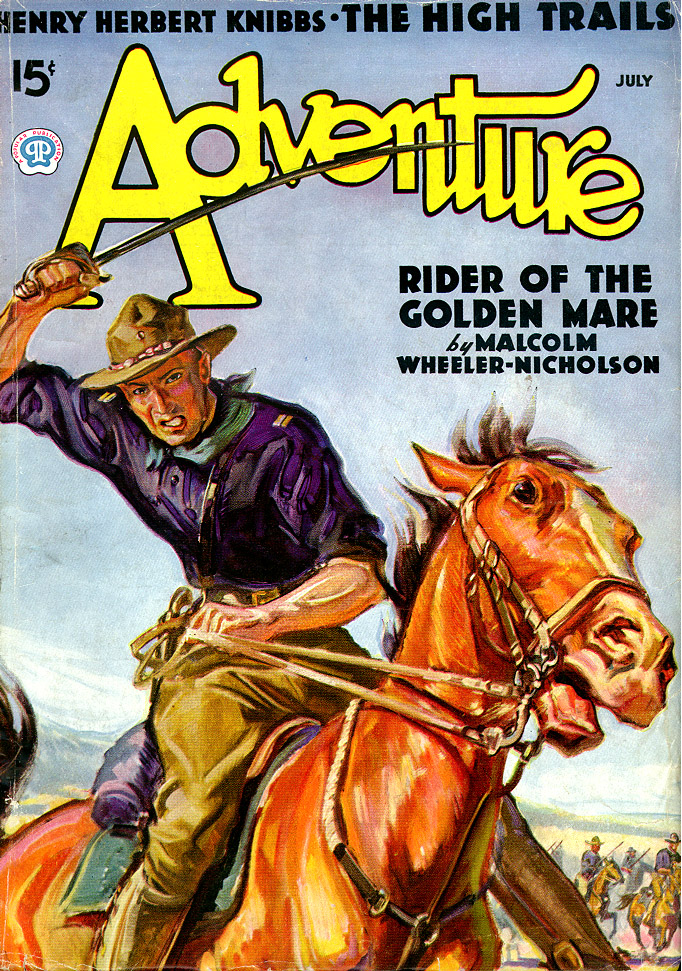
He went on to write at least 127 short stories, serials, novellas and novels appearing in 142 editions of 32 magazine titles. That doesn’t include the reprints, the foreign editions, (some in Spanish as well as English) nor the pseudonyms of which there are at least 3.
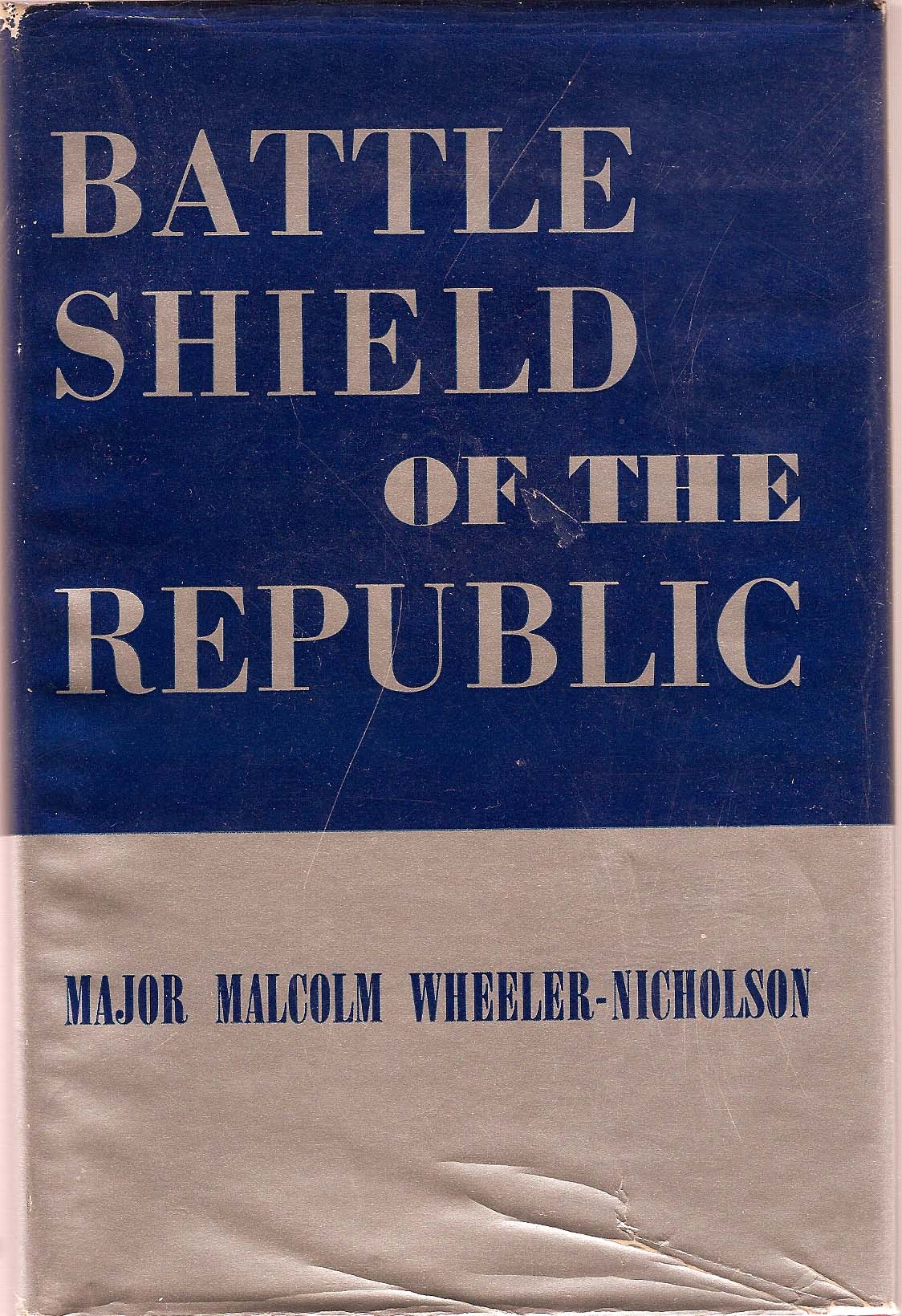
There were also 2 hard cover mystery novels and several paperbacks. MWN’s non-fiction includes Modern Cavalry and during WWII, three well-received hard cover books of political and military writing as well as numerous articles in Harpers and Look among others. His writing career spanned most of his adult life from approximately 1922-1956.
Adventure July 1936
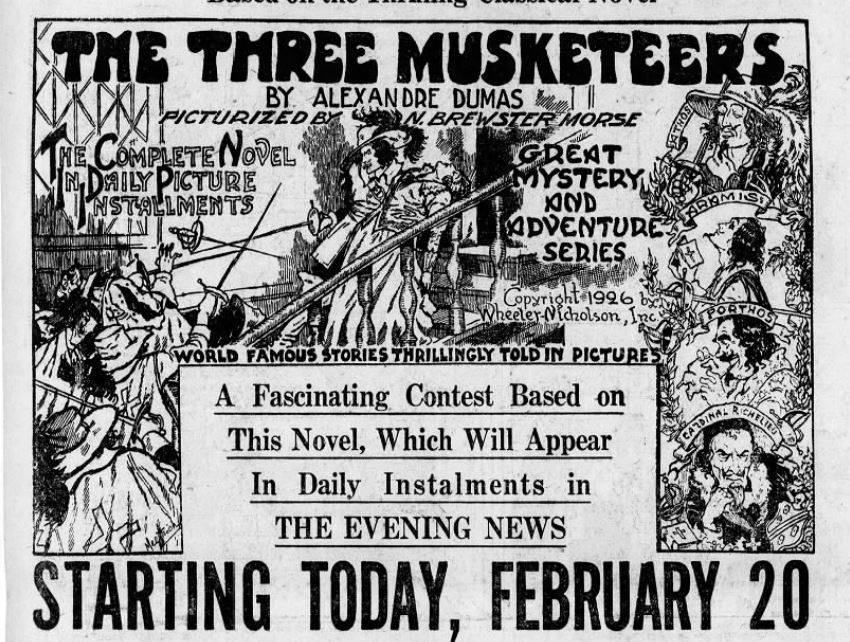
In addition to his writing, he also had two significant publishing ventures. MWN published short pieces and comic strips for syndication in 1925. Robert Louis Stevenson scholars acknowledge him as the first person to produce RLS in comic strip format and the first person to produce RLS in a comic book. He hired well-known writers and artists but was unable to financially support his creative ideas and a year or so later turned back to writing for the pulps.
The Great Mystery and Adventure Series

In 1928 to 1930 with his growing family now consisting of 4 children, Antoinette, Marianne, Malcolm and Douglas, he returned to France where the family had an apartment in Paris and rented an ancient chateau in Vic sur Aisnes north of Paris.
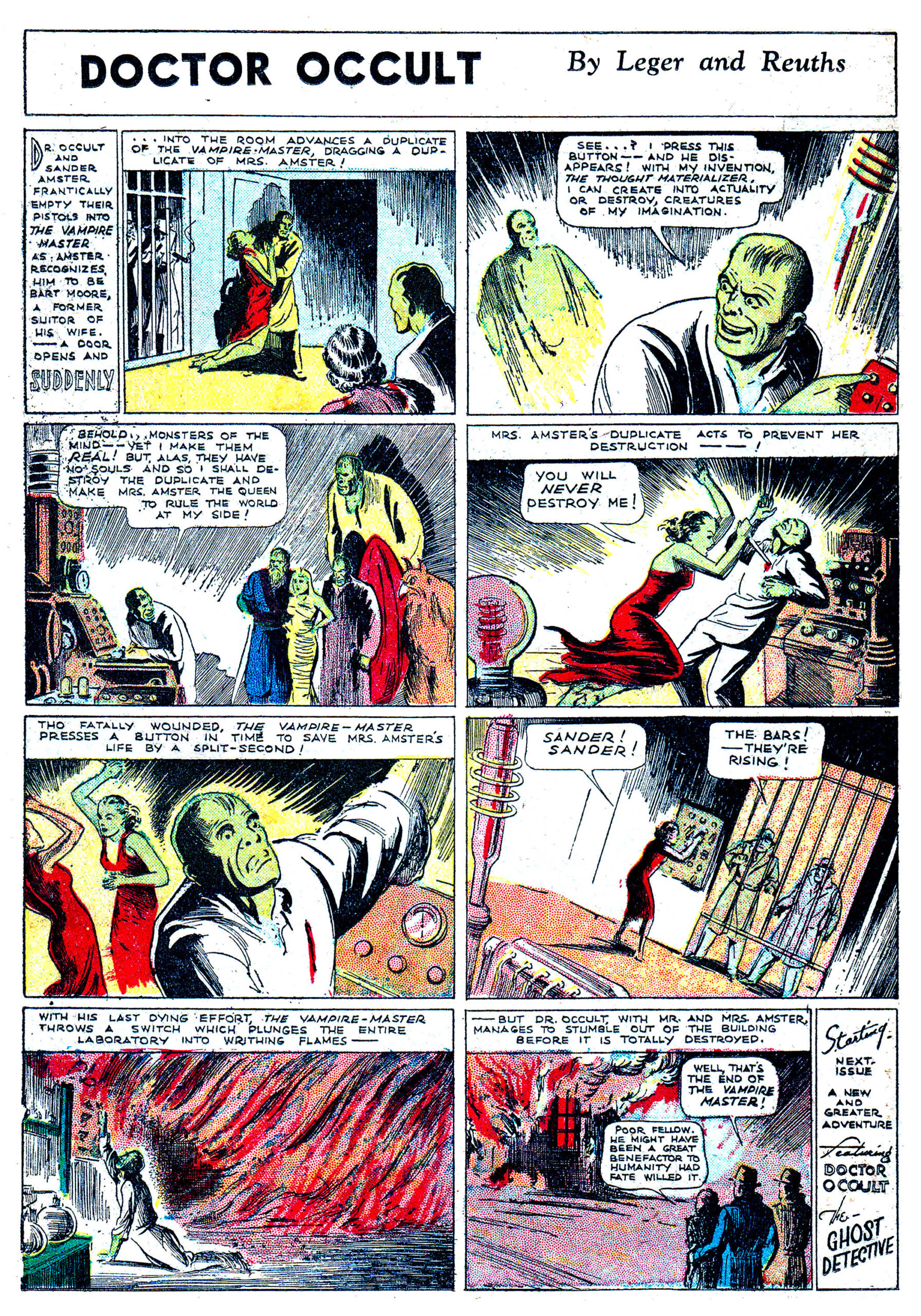
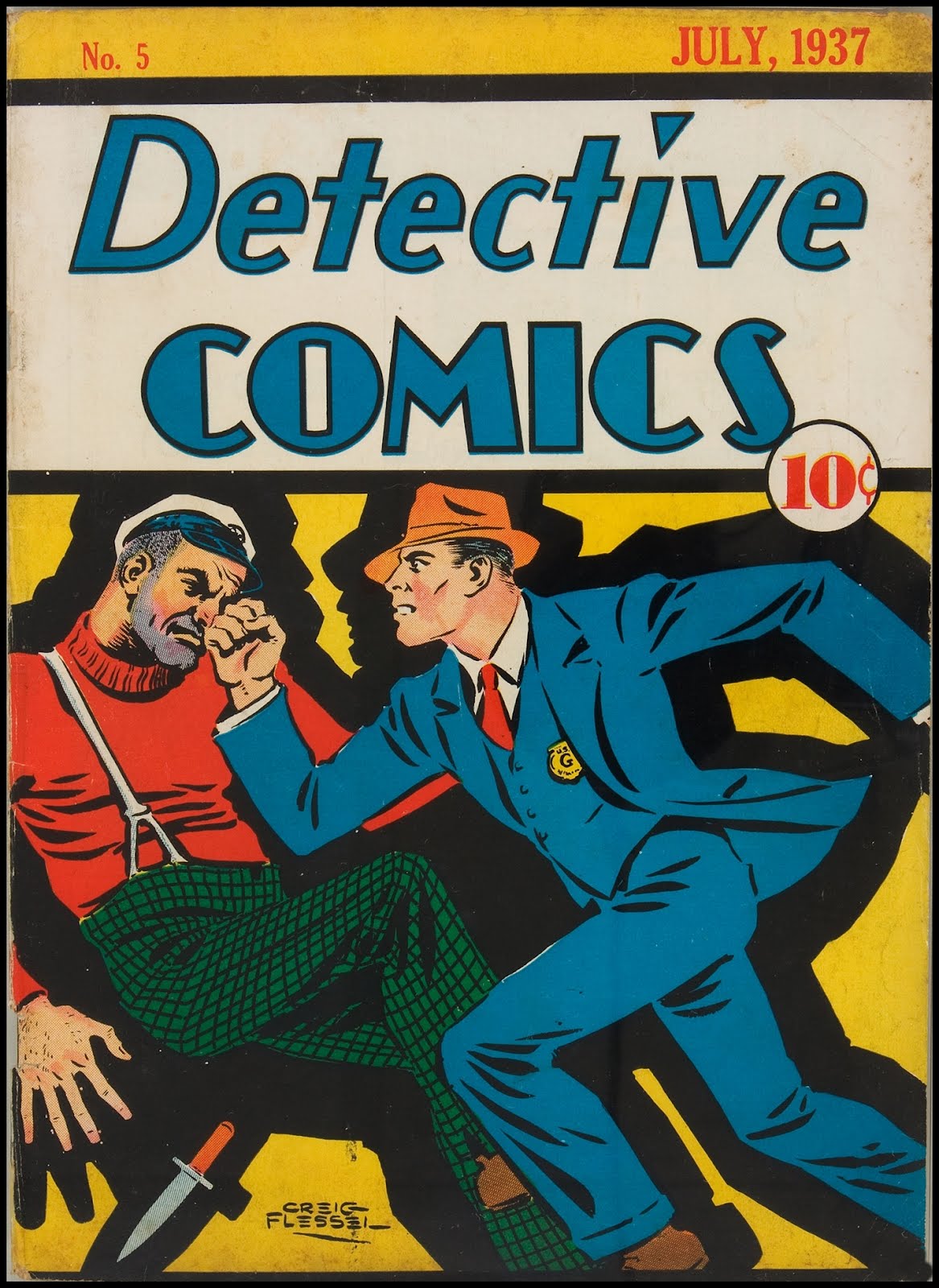
With the onset of the Great Depression the family was forced to return to the US and a 5th child, Diane was born. By 1933 he had begun work on his new venture—comic books with all original scripts and art work. He published New Fun and More Fun soon hiring Siegel and Shuster as well as Bob Kane among others publishing comics, many based on the adventure pulps he wrote.
Dr. Occult. Siegel and Shuster as Leger and Reuths

There are several excellent earlier attempts at original comic books but it is Major Malcolm Wheeler-Nicholson who established the modern comic book pretty much as we know it today. It was his vision and ability to recognize talent and hire many of the people that are honored as the pioneers of this truly American artform.
The Major created the template that enabled this fledgling industry to survive. He had all the ingredients of the entrepreneur—the vision, the drive and the creativity. What he lacked was the funds to keep such an audacious undertaking afloat.

Unfortunately, his choice of business partners–Harry Donenfeld and Jack Liebowitz had a history of amassing product and companies in a somewhat ruthless manner. By 1938 against the backdrop of the financial difficulties of the Great Depression MWN was forced under controversial circumstances from the company he founded.
It took him some time to recover from this terrible blow and the loss of the character that he believed in so passionately–Superman. He then went on to write non-fiction books and continued writing for the pulps.

In the latter part of his life on a trip to Sweden he discovered several formulas for industrial paint applications, purchased them and returned to the states to develop them. Like the proverbial dad from an early television sitcom, the Major spent the beginning years of the 1950’s teaching himself basic chemistry and cooking up the formulas in the family kitchen.
This frequently resulted in low comedy with explosions and black soot everywhere. However, like everything else in his life he persisted until he prevailed and eventually attracted the interest of a Wall Street consortium. After agonizing over the contractual details, at the last minute, perhaps due to what happened with his comic book venture he walked away and refused to sign.
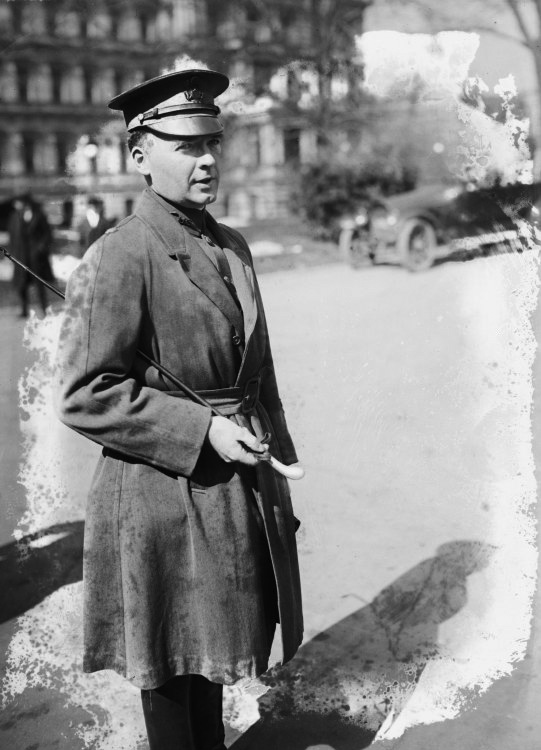
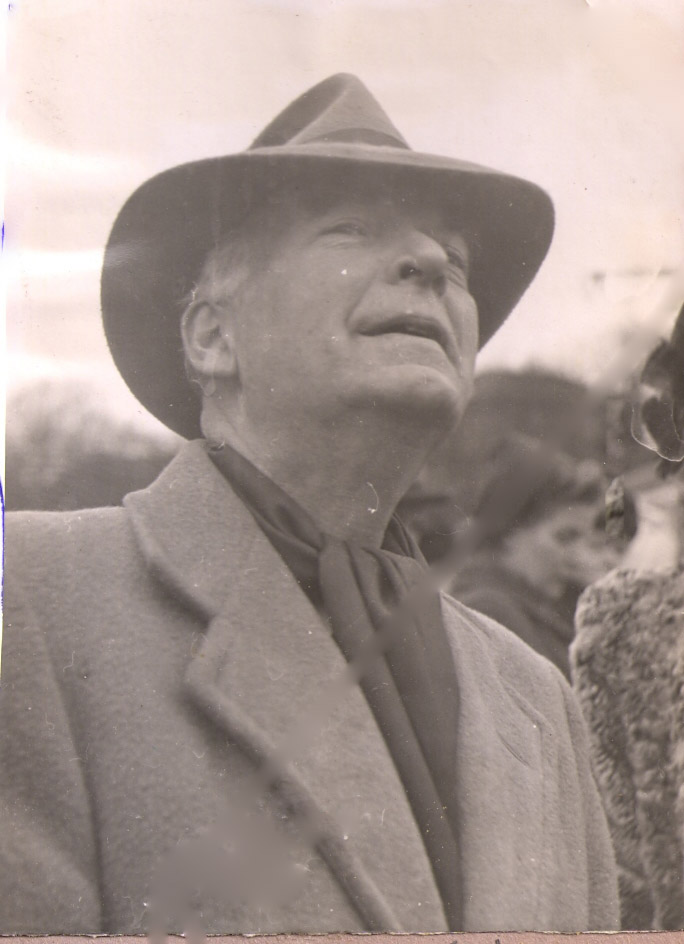
The Major c. 1948 in Sweden. © Finn Andreen.

He appeared to have no regrets about the choices in his life, seemed not to be bitter and lived out his days surrounded by his family with his wife, Elsa, whom he adored, at his side. Major Malcolm Wheeler-Nicholson died in September of 1965.
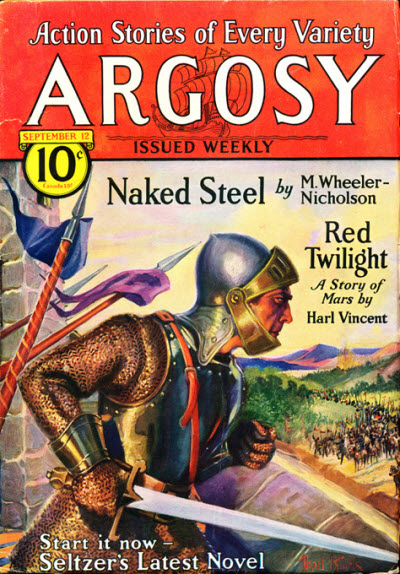
His life was a continual quest and much of his writing is based on his own adventures. He loved history and carefully researched his stories based on historical events including the Crusades and Middle Ages. Even now some 60-70 years later that research holds up under scholarly scrutiny.
Argosy September 1931

Ron Goulart said of him that he faded away like many an old soldier. Fortunately, that is no longer true.
This post is a bare outline of the rich life Major Malcolm Wheeler-Nicholson lived. The family myth is only a backdrop. It is the details, based on solid methodical research that bring the picture to life.
I’m proud of our grandfather’s talent as a writer and his amazing contributions to modern popular culture. Every hard-won fact adds to the epic story of this extraordinary man, a prolific creative artist who lived a life of great adventure. Happy Birthday, Major Malcolm Wheeler-Nicholson, we salute you.